


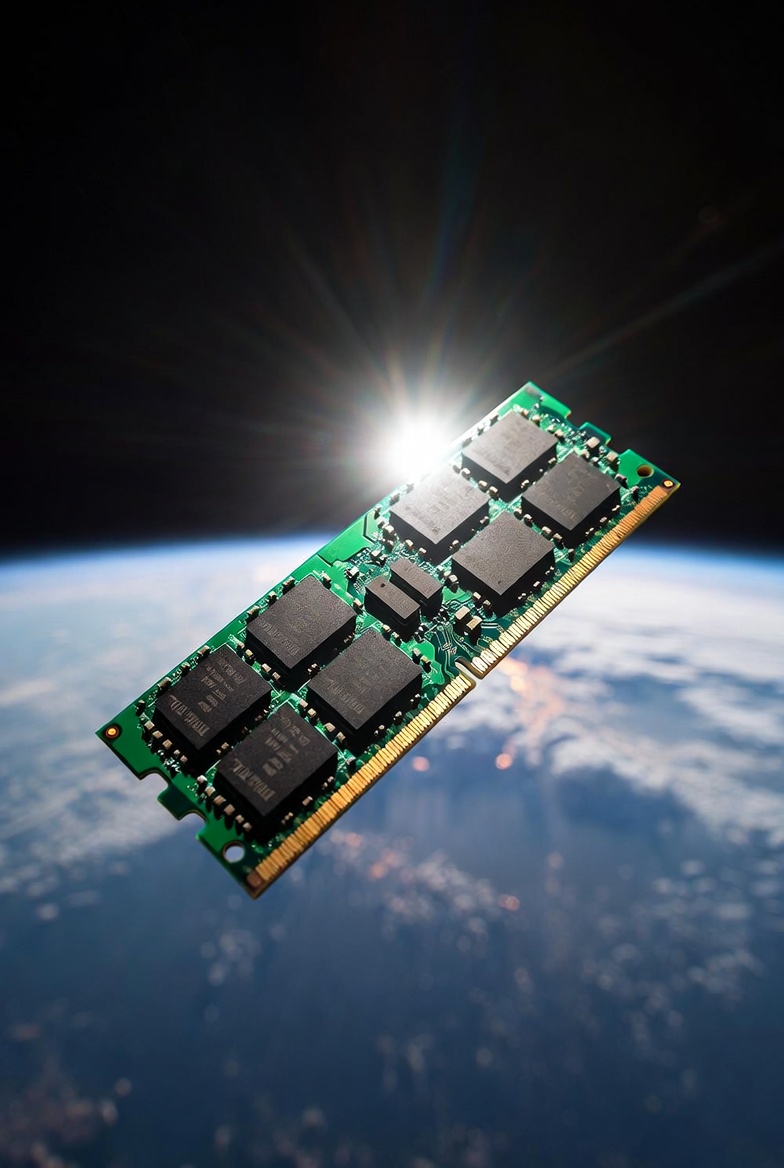
In the glittering race to build the future of artificial intelligence, a quiet crisis is unfolding in the shadows of server farms and chip fabs. It's not a dramatic hack or a geopolitical standoff—it's a simple lack of RAM. Dynamic Random Access Memory (DRAM), the volatile workhorse that powers everything from your smartphone to sprawling AI superclusters, is in short supply. Prices have exploded, supplies are rationed, and the fallout is rippling from Silicon Valley to Akihabara. As of December 2025, this "memory apocalypse" shows no signs of abating, with experts warning of a decade-long squeeze. The culprit? An insatiable AI boom that's devouring the world's DRAM stockpiles faster than manufacturers can spin up new wafers.
The Perfect Storm: AI's Insatiable Hunger
The story begins with the explosive growth of AI data centers. Hyperscalers like Microsoft, Google, and OpenAI are pouring hundreds of billions into infrastructure to train and run massive language models. These facilities don't just need GPUs—they require oceans of high-bandwidth memory (HBM) to handle the parallel processing demands of generative AI. HBM, a stacked DRAM variant optimized for speed, now commands premiums that make standard RAM look like pocket change.
But here's the rub: producing HBM isn't free. It gobbles up three times the silicon wafer capacity of conventional DRAM, according to Counterpoint Research. Major players like Samsung, SK Hynix, and Micron—the oligopoly controlling two-thirds of the DRAM market—have retooling entire production lines to chase these fat margins. Samsung, for instance, hiked prices on certain memory chips by up to 60% in November alone, compared to September levels. SK Hynix announced its HBM, DRAM, and NAND capacity is sold out through 2026.
The ripple effect is brutal. OpenAI's ambitious Stargate project alone could consume up to 40% of global DRAM output, per industry estimates. Nvidia's shift toward LPDDR5X memory for its AI GPUs has exacerbated the crunch, pulling resources from consumer-grade DDR4 and DDR5. Add in legacy supply chain scars from the pandemic and a reluctance to overinvest after the 2022 oversupply bust, and you've got a textbook supply-demand mismatch. TrendForce, a leading market tracker, revised its Q4 2025 DRAM price forecast upward to 18-23% quarter-over-quarter growth—twice the earlier estimate.
This isn't hyperbole. Adata, a key memory vendor, declared in late 2025 that DRAM, NAND, and even HDD supplies are in shortage "for the first time in 30 years." It's a "perfect storm," as Tom's Hardware put it, where AI's voracious appetite collides with a supply chain still limping from past disruptions.
Skyrocketing Prices: From Bargain Bin to Black Market
If shortages are the spark, price surges are the inferno. DRAM contract prices leaped 171% year-over-year in Q3 2025, outpacing even gold's rally. Spot prices for DDR4 chips have jumped 50% in some markets, with contract hikes of 10-15% expected through year-end. Server-grade DDR5 64GB RDIMM modules, staples in enterprise data centers, could double in cost by the end of 2026 compared to early 2025 levels.
Retail consumers are feeling the burn. A 64GB DDR5 kit, once a mid-range upgrade, now fetches over £395—pricier than a PlayStation 5. That's a 120-200% increase since early 2025 for many modules. In Tokyo's Akihabara district, shops like PC Ark are capping purchases at eight items per customer across RAM, SSDs, and HDDs to thwart hoarding, with prices fluctuating hourly. U.S. retailers like Micro Center have yanked price tags on DDR5, directing shoppers to associates for "current" quotes that change daily—like lobster at a high-end seafood joint.
Even the used market is booming. eBay listings for DDR5 are commanding 50-100% premiums over original costs, turning old PC upgrades into resale gold. PC builders on forums like Reddit's r/hardware are venting frustration: "Dram shortage ≠ GPU shortage. But if prices go up on cards the result will be the same... you're still taking one in the shorts."
Sources: TrendForce, PCPartPicker data aggregated from reports.
Beyond PCs: A Cascade of Pain Across Industries
This isn't just a gamer's gripe—it's a macroeconomic migraine. PC makers like Asus and MSI are panic-buying spot-market RAM to pad inventories, with Asus holding just two months' worth as of November. New memory kit launches slated for Q4 2025 are delayed to 2026, as module makers like Corsair and G.Skill wait out the volatility.
Gaming is ground zero for consumer backlash. Epic Games CEO Tim Sweeney warned on X that "RAM price increases will be a real problem for high-end gaming for several years," as factories divert DRAM to AI bidders paying top dollar. CyberPowerPC announced U.S. and UK price hikes effective December 7, citing 500% RAM surges and 100% SSD jumps since October. A satirical tweet summed it up: "Bro stop being such a loser, get a gaming PC" followed by a parts list ending with "RAM: Notify me when available."
The hurt spreads wider. Smartphone giants like Xiaomi and Realme are mulling 20-30% price hikes by mid-2026, as LPDDR memory shortages bite. Automakers face delays in infotainment systems reliant on DDR4, while industrial controllers and embedded devices—long-tail markets with slim margins—grapple with redesigns to DDR5. Even Raspberry Pi raised prices in October, with CEO Eben Upton noting memory costs are "120% more than a year ago."
Micron's bombshell this week? It's axing its consumer Crucial line to prioritize "strategic customers" in AI. "The AI-driven growth in the data center has led to a surge in demand," the company stated, underscoring how Big Tech's priorities are sidelining everyone else.
The Road Ahead: Relief or Reckoning?
Optimists point to new fabs: Samsung's expanding in South Korea, Winbond's boosting CapEx to $1.1 billion. But building capacity takes 18-24 months, and with AI investments projected to balloon in 2026, demand could outstrip supply for years. TriOrient's Dan Nystedt warns: "2026 looks to be far bigger than this year in terms of overall demand." Analysts like those at Bain & Co. forecast 5-10% hikes in overall PC and smartphone BOM costs from 20-30% memory inflation.
Skeptics smell opportunism. Past DRAM cartels and the current profit windfall—SK Hynix's record Q3 revenue—fuel suspicions of engineered scarcity. As one Reddit user quipped, "The shortage is great for business." Yet even if greed plays a role, the physics of silicon don't lie: AI's exponential data needs are rewriting the rules.
For consumers, the advice is grim: stock up now if you can, or brace for a world where upgrading your rig costs as much as a console. For the industry, it's a wake-up call to diversify suppliers and innovate beyond brute-force scaling. As AI promises to reshape society, its first unintended gift might be a reminder of our hardware fragility—a world running on fumes of fleeting memory.

