
🛡️ FortiGate 200F vs Cisco Firepower 2110 vs Palo Alto PA-820
AI-powered analysis across 22 matched specifications
Performance Overview
Scores based on quantifiable specification values (1-10 scale)
Detailed Specifications
| Specification | FortiGate FG-200F Fortinet | Cisco Firepower 2110 Cisco | Palo Alto PA-820 Palo Alto |
|---|---|---|---|
| Key Metrics | |||
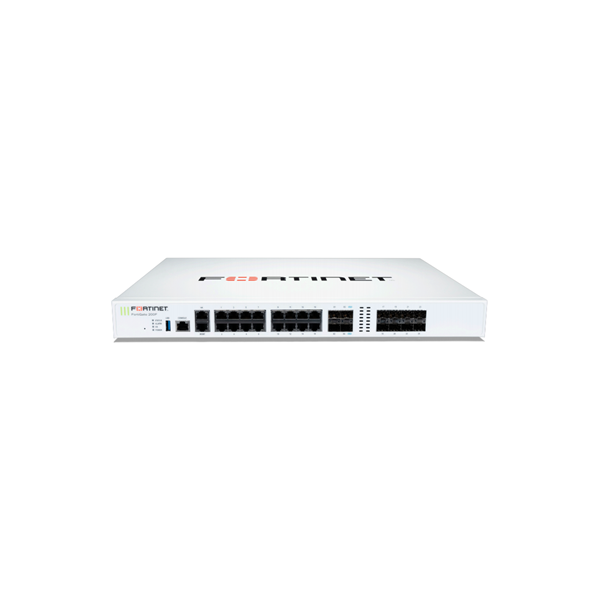
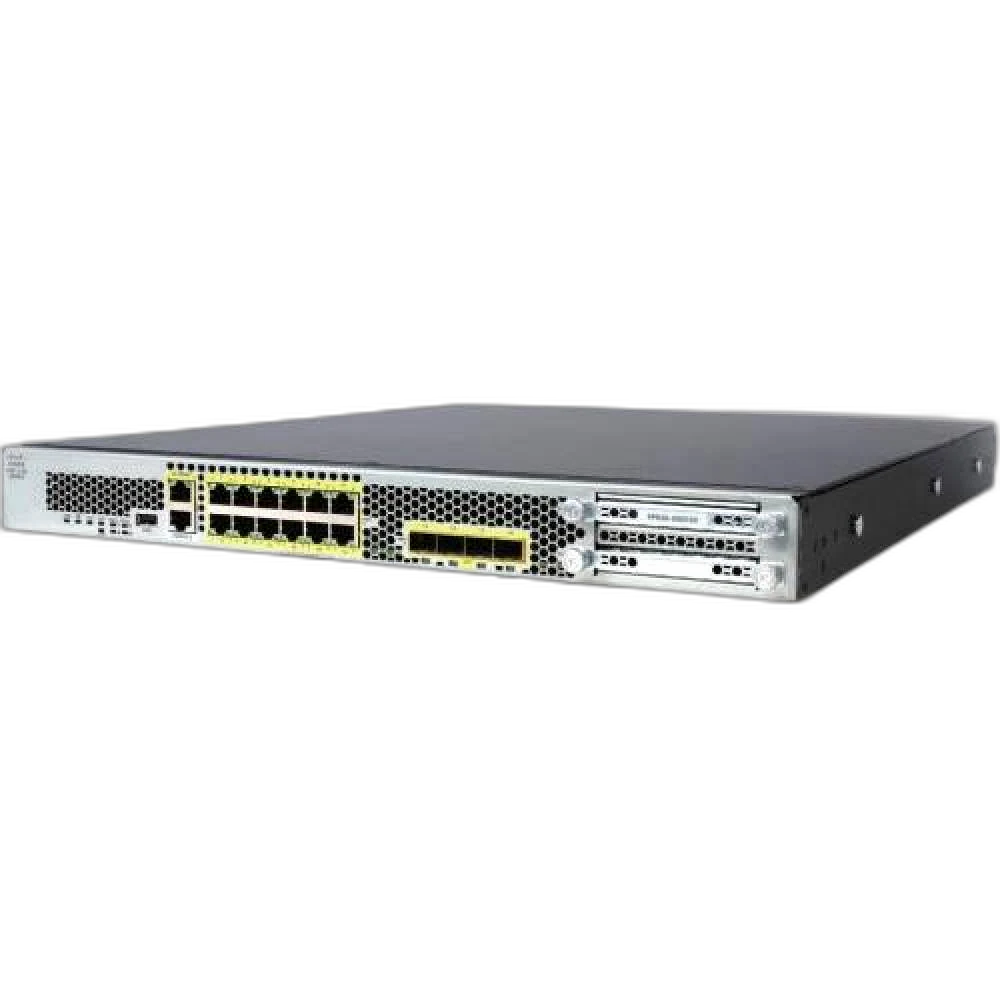
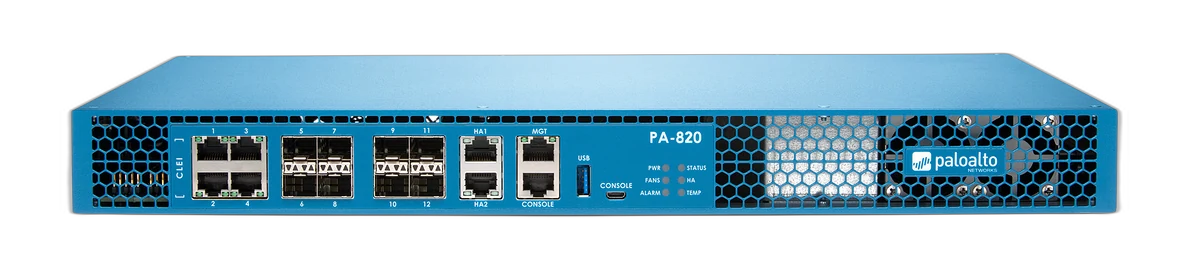
| Firewall Throughput | 27 Gbps | 2.3 Gbps (FTD) / 6 Gbps (ASA) | 1.5 Gbps |
| IPS/Threat Prevention Throughput | 5 Gbps (IPS) / 3 Gbps (Threat Protection) | 2.7 Gbps (NGIPS) | 800 Mbps |
| IPSec VPN Throughput | 13 Gbps | 1.5 Gbps (FTD) | 1.2 Gbps |
| Concurrent Sessions | 3,000,000 | 1,000,000 | 128,000 |
| New Sessions/Second | 280,000 | 27,000 (FTD) | 7,500 |
| Compute | |||
| Processor | Not specified | Not specified | Not specified |
| Memory | |||
| Memory | Not specified | Not specified | Not specified |
| Storage | |||
| Storage | None (480 GB SSD on FG-201F) | 200 GB SSD | 240 GB SSD |
| Networking | |||
| Network Ports | 18 × GE RJ45 (incl. 1 × MGMT, 1 × HA) / 8 × GE SFP / 4 × 10GE SFP+ (2 data + 2 FortiLink) | 12 × 1G RJ45 + 4 × 1G SFP / 1 × 1G RJ45 dedicated management | 12 × GE RJ45 + 4 × GE SFP + 2 × SFP+ / 1 × 10/100/1000 management / 2 × 10/100/1000 HA |
| GPU / Accelerators | |||
| GPU / Accelerators | -- | -- | -- |
| Expansion / PCIe | |||
| Expansion / PCIe | -- | -- | -- |
| I/O & Ports | |||
| I/O & Ports | 18 × GE RJ45 (incl. 1 × MGMT, 1 × HA) / 8 × GE SFP / 4 × 10GE SFP+ (2 data + 2 FortiLink) | 12 × 1G RJ45 + 4 × 1G SFP / 1 × 1G RJ45 dedicated management | 12 × GE RJ45 + 4 × GE SFP + 2 × SFP+ / 1 × 10/100/1000 management / 2 × 10/100/1000 HA |
| Management | |||
| Management | SD-WAN, ZTNA, SSL inspection | TLS inspection (1.2 Gbps) | PAN-OS 11.x / HA Support: Active/Passive, Active/Active |
| Power | |||
| Power | 119W max | 200W max / Dual hot-swap AC (100–240V) | 200W AC / Redundant power supply option |
| Physical / Environmental | |||
| Form Factor | 1U rack-mount | 1U rack-mount | 1U rackmount (17.125" W × 14" D × 1.75" H) |
| Weight | -- | 7 kg (15.4 lb) | -- |
| Operating Temperature | 0°C to 40°C | -- | -- |
| Cooling | -- | Redundant fan trays | -- |
| Security | |||
| Security | SD-WAN, ZTNA, SSL inspection | TLS inspection (1.2 Gbps) | Threat Prevention (800 Mbps) |
| Software & OS Compatibility | |||
| Software & OS Compatibility | SD-WAN, ZTNA, SSL inspection | FTD / ASA | PAN-OS 11.x |
| Warranty & Support | |||
| Certifications | FCC, CE, RoHS, UL | -- | -- |
| Status | -- | -- | End-of-Sale (active support) |
Expert Analysis
The FortiGate FG-200F demonstrates a clear performance advantage in raw throughput and session capacity, with 27 Gbps firewall throughput, 5 Gbps IPS, and support for 3 million concurrent sessions—making it suitable for high-traffic data centres or large enterprise edge deployments where maximum throughput is critical. Its 13 Gbps VPN throughput and 280,000 new sessions per second further position it for demanding environments with extensive remote access or site-to-site VPN requirements. However, it lacks on-board storage in the base model, which may be a consideration for logging or local management needs.
The Cisco Firepower 2110 offers a balanced approach with dual operating modes (FTD at 2.3 Gbps and ASA at 6 Gbps), providing flexibility for organisations transitioning between platforms. Its 2.7 Gbps NGIPS throughput and 1.2 Gbps TLS inspection are competitive for mid-range deployments, while dual power supplies and redundant cooling enhance reliability. With 1 million concurrent sessions and 1,500 VPN peers, it suits medium-sized enterprises needing robust threat inspection and high availability, though its throughput is significantly lower than the FortiGate.
The Palo Alto PA-820, while now end-of-sale, remains a viable option for smaller deployments or branch offices with its 1.5 Gbps firewall and 800 Mbps threat prevention throughput. Its 128,000 session capacity and 7,500 new sessions per second are adequate for lighter workloads, and the included 240 GB SSD provides local storage. Organisations already invested in the PAN-OS ecosystem may find it a cost-effective solution for specific use cases, though its performance limitations make it less suitable for growing or high-demand environments.
Ready to proceed?
Want to compare different products or add more to this comparison?
Open Interactive Comparison Tool →