
🛡️ FortiGate 400F vs Cisco Firepower 2130 vs Palo Alto PA-3220
AI-powered analysis across 25 matched specifications
Performance Overview
Scores based on quantifiable specification values (1-10 scale)
Detailed Specifications
| Specification | FortiGate FG-400F Fortinet | Cisco Firepower 2130 Cisco | Palo Alto PA-3220 Palo Alto |
|---|---|---|---|
| Key Metrics | |||
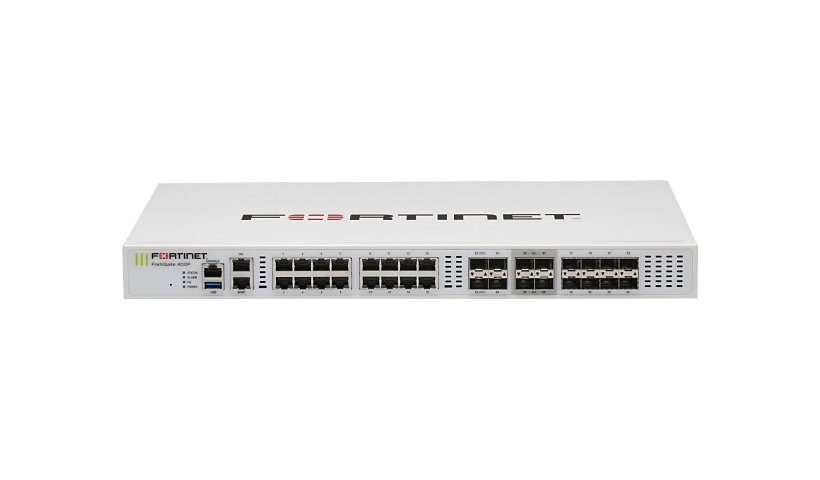
| Firewall Throughput | 79 Gbps | 8.5 Gbps (FTD) / 20 Gbps (ASA) | 4 Gbps |
| IPS/Threat Prevention Throughput | 12 Gbps (IPS) / 9 Gbps (Threat Protection) | 10.4 Gbps (NGIPS) / 3 Gbps (TLS Inspection) | 2.2 Gbps (Threat Prevention) |
| IPSec VPN Throughput | 55 Gbps | 2.5 Gbps (FTD) | 2.4 Gbps |
| Concurrent Sessions | 7,800,000 | 3,500,000 | 1,000,000 |
| New Sessions/Second | 500,000 | 68,000 (FTD) | 46,000 |
| Compute | |||
| Processor | -- | -- | -- |
| Hardware Acceleration | Full SSL inspection | TLS decryption | Dedicated hardware acceleration |
| Memory | |||
| Memory | -- | -- | -- |
| Storage | |||
| Storage | None (2 × 480 GB SSD on FG-401F) | 200 GB SSD | 240 GB SSD |
| Networking | |||
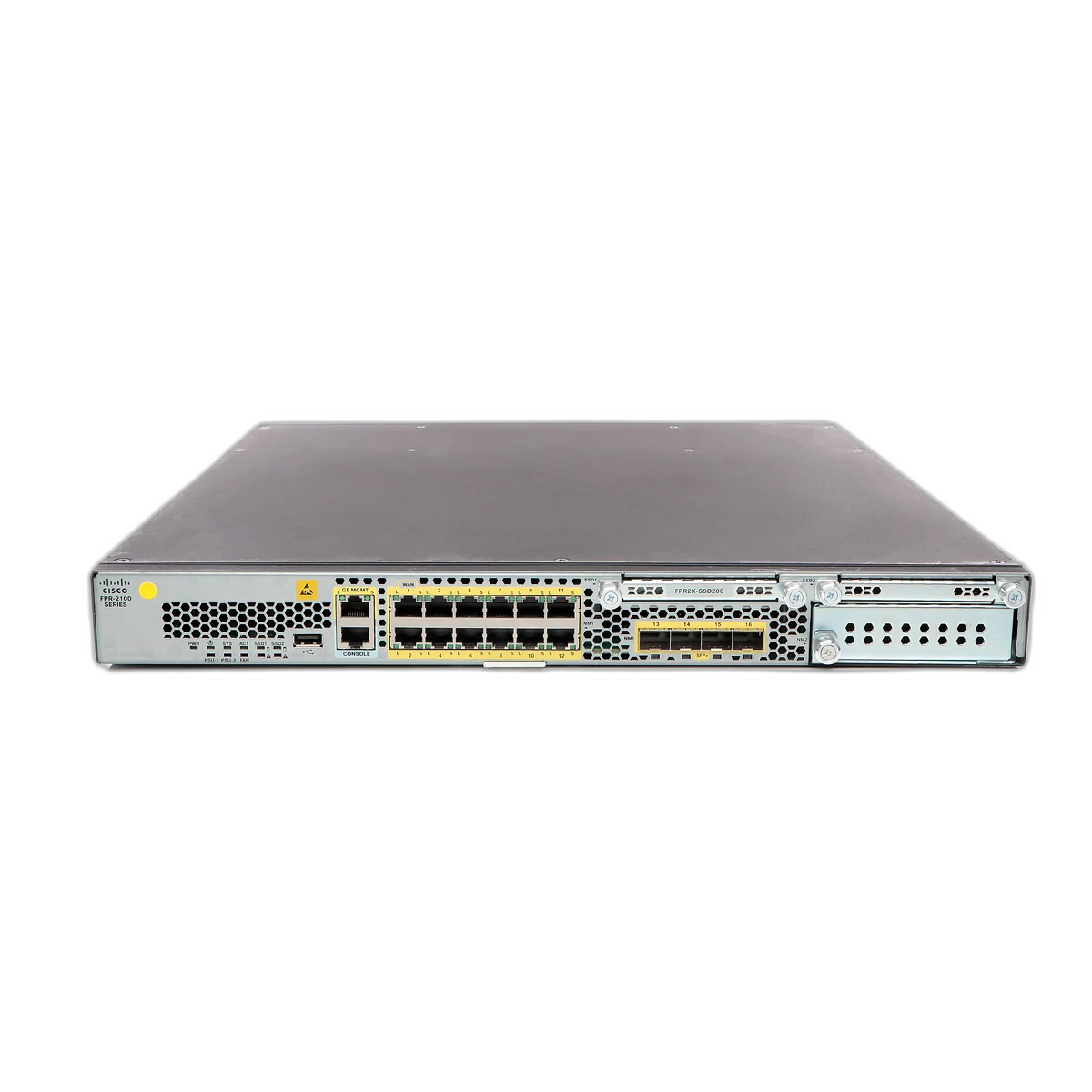
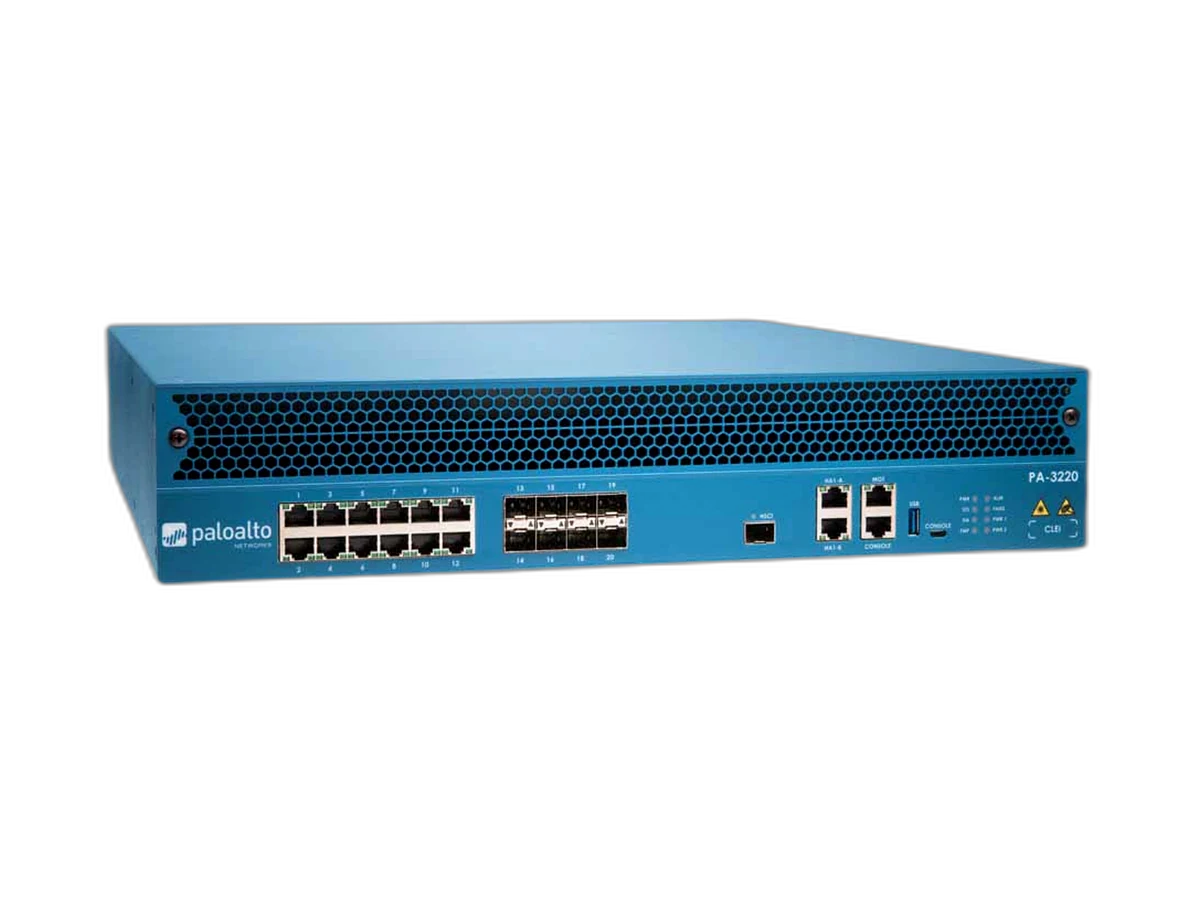
| Network Ports | 16 × GE RJ45 (incl. 2 × MGMT/HA) / 8 × GE SFP / 8 × 10GE SFP+ (4 standard + 4 ultra-low latency) | 12 × 1G RJ45 + 4 × 10G SFP+ / 1 × 1G RJ45 dedicated management | 12 × GE RJ45 + 4 × 1G SFP + 4 × 1G/10G SFP/SFP+ / 1 × 10/100/1000 management / 2 × 10/100/1000 + 1 × 10G SFP+ HA |
| Max VPN Peers | -- | 20,000 | -- |
| GPU / Accelerators | |||
| GPU / Accelerators | -- | -- | -- |
| Expansion / PCIe | |||
| Expansion Slots | -- | 1 × Network Interface Module (NIM) slot | -- |
| I/O & Ports | |||
| Management Ports | 2 × MGMT/HA included in GE RJ45 ports | 1 × 1G RJ45 dedicated | 1 × 10/100/1000 out-of-band |
| HA Ports | Included in GE RJ45 ports | -- | 2 × 10/100/1000 + 1 × 10G SFP+ |
| Management | |||
| Management Features | SD-WAN, ZTNA | -- | PAN-OS 11.x |
| Power | |||
| Power Supply | 200W max | Dual hot-swap AC (100–240V) / 400W max | 650W AC (2, redundant) |
| Physical / Environmental | |||
| Form Factor | 1U rack-mount | 1U rack-mount | 2U rackmount (17.34" W × 20.53" D × 3.5" H) |
| Weight | -- | 12 kg (26 lb) | -- |
| Operating Temperature | 0°C to 40°C | -- | -- |
| Cooling | -- | Redundant fan trays | -- |
| Security | |||
| Security Features | Full SSL inspection, ZTNA | TLS decryption | App-ID enabled, Threat Prevention |
| Software & OS Compatibility | |||
| Operating System/Software | -- | -- | PAN-OS 11.x |
| Status | -- | -- | End-of-Sale (active support) |
| Warranty & Support | |||
| Warranty & Support | -- | -- | -- |
Expert Analysis
These three next-generation firewalls represent distinct performance tiers and architectural approaches suitable for different enterprise environments. The FortiGate FG-400F delivers exceptional throughput capabilities with 79 Gbps firewall performance, 55 Gbps VPN throughput, and 7.8 million concurrent sessions, making it ideal for high-density data centre deployments or service provider edge applications where raw packet processing and session scalability are paramount. Its comprehensive port configuration with 16 GE RJ45, 8 GE SFP, and 8 10GE SFP+ ports provides exceptional connectivity flexibility, though it lacks internal storage in the base model.
The Cisco Firepower 2130 offers a balanced approach with dual-mode operation (8.5 Gbps FTD or 20 Gbps ASA) and strong security processing at 10.4 Gbps NGIPS throughput. Its 3.5 million session capacity and 20,000 VPN peer support suit medium to large enterprise environments requiring robust VPN connectivity and threat inspection. The NIM expansion slot provides future-proofing flexibility, while dual hot-swappable power supplies and redundant cooling enhance reliability for critical deployments.
The Palo Alto PA-3220, while at the lower performance tier with 4 Gbps firewall throughput and 1 million sessions, excels in application-aware security with App-ID enabled inspection and dedicated hardware acceleration. Its 2U form factor with redundant power supplies offers physical resilience, though the end-of-sale status may influence procurement decisions. This model best serves organisations prioritising deep application visibility and threat prevention over maximum throughput, particularly in security-focused branch offices or medium enterprise perimeters where application control is more critical than raw session capacity.
Ready to proceed?
Want to compare different products or add more to this comparison?
Open Interactive Comparison Tool →