UK’s trusted IT infrastructure partner since 2003
sales@servnetuk.com
0800 987 4111
Servnet
ConfiguratorGet in Touch
← Comparison Tool

💾 NetApp ASA A70 vs AFF A70

AI-powered analysis across 26 matched specifications

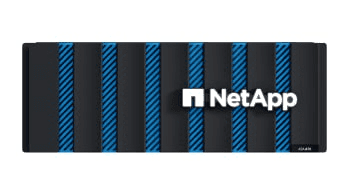
NetApp ASA A70 all-SAN array block storage system front view
ASA A70
NetApp
8.3
Overall Score
Best for UK enterprises consolidating VMware, Oracle or SQL Server estates onto a dedicated block SAN where symmetric active-active multipathing, SLA-backed 100% availability and a simplified SAN-only operating model matter more than NAS or S3 capability.
View Full Details
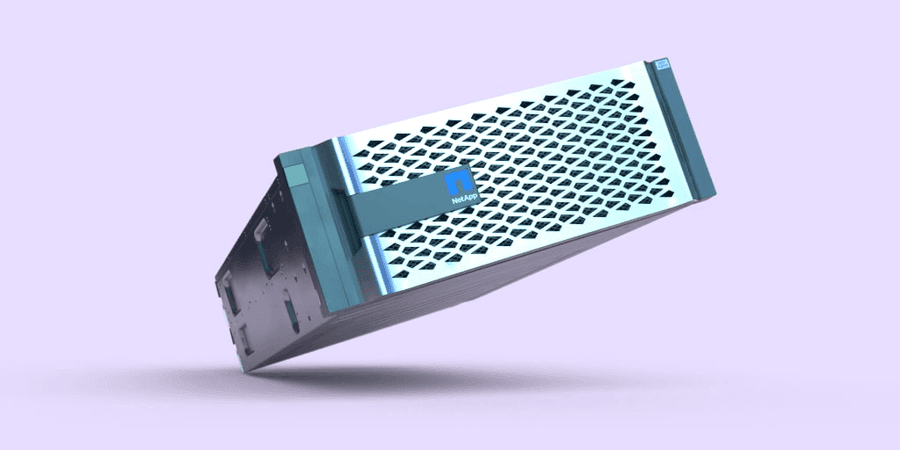
NetApp AFF A70 4U all-flash unified storage system front view
AFF A70
NetApp
8.9
Overall Score
Best for mixed-workload data centres and AI/HPC environments (including NVIDIA DGX SuperPOD deployments) that need block, NFS/RDMA, SMB and S3 on one platform, plus SnapLock Compliance for FCA or NHS DSPT retention requirements.
View Full Details

Performance Overview

Scores based on quantifiable specification values (1-10 scale)

Block PerformanceProtocol BreadthData Services DepthManageability (SAN admin)ScalabilityEcosystem & Cloud IntegrationValue for Workload Fit
ASA A70
AFF A70
Block Performance
ASA A70
9.2
AFF A70
9.0
Protocol Breadth
ASA A70
7.0
AFF A70
9.5
Data Services Depth
ASA A70
7.5
AFF A70
9.3
Manageability (SAN admin)
ASA A70
9.0
AFF A70
7.8
Scalability
ASA A70
7.5
AFF A70
9.2
Ecosystem & Cloud Integration
ASA A70
8.0
AFF A70
9.0
Value for Workload Fit
ASA A70
8.7
AFF A70
8.4

Detailed Specifications

Specification
ASA A70
NetApp
AFF A70
NetApp
Key Metrics
Form factor4U HA pair4U HA pair
NVMe SSD slots4848
Controller memory per HA pair256 GB256 GB
Maximum raw capacity per HA pair6.6 PB6.6 PB
Peak performance12M IOPS12M IOPS
Maximum cluster scale6 nodes (3 HA pairs, SAN)24 nodes NAS / 6 nodes SAN
Availability100% data availability guarantee (SLA-backed)99.9999% (six nines)
Workload & Protocol Support
Storage modelBlock-only (SAN)Unified (SAN + NAS + object)
Block protocolsNVMe/FC, NVMe/TCP, iSCSI, FCNVMe/FC, NVMe/TCP, iSCSI, FC
File protocols--NFSv3/RDMA, NFSv4/RDMA, SMB
Object protocol (S3)--Yes (ONTAP S3)
AI/HPC certification--NVIDIA DGX SuperPOD certified
Connectivity
NVMe/FC ports (max)--56 × 64Gbps
Ethernet (max)--24 × 200Gbps
MultipathingSymmetric active-active (all paths load-balance)ALUA active-active (asymmetric per LUN)
Data Services & Security
Operating systemASA r2 (simplified block ONTAP)ONTAP 9 (full feature set)
Ransomware detectionAI/ML autonomousAI/ML autonomous
Ransomware Recovery GuaranteeYesYes
EncryptionAES-256 (NVE/NAE)AES-256 (NVE/NAE)
WORM / Compliance lock--SnapLock Compliance & Enterprise
ReplicationSnapMirror (block)SnapMirror, SnapMirror Sync, SnapMirror Active Sync
Management & Operating Model
Management UIASA r2 simplified workflow (consumer-grade SAN UX)ONTAP System Manager (full feature surface)
Provisioning modelStorage units, no aggregates exposedAggregates, volumes, LUNs, qtrees
Cloud observabilityBlueXP, Active IQBlueXP, Active IQ
Hybrid cloud tiering--FabricPool to S3/Azure/GCP
Non-disruptive upgradesYesYes

Expert Analysis

AI-generated based on published specifications

The headline truth here is that the ASA A70 and AFF A70 are the same physical box — identical 4U chassis, 48 NVMe slots, 256 GB controller memory, 6.6 PB raw and 12M IOPS ceilings. What differs is the operating model layered on top. The ASA A70 runs the simplified ASA r2 personality: block-only, no aggregates or volumes exposed to the admin, symmetric active-active multipathing across all paths, and a workflow designed for SAN teams who want a Pure-like provisioning experience. The AFF A70 runs full ONTAP 9, unlocking NFS, SMB, S3, SnapLock, FabricPool tiering and a 24-node NAS scale-out cluster.

If the workload is pure block — VMware datastores, Oracle, SQL Server, SAP HANA — the ASA A70 is the cleaner buy. Symmetric active-active is a genuine advantage over the AFF's ALUA model for latency-sensitive SAN, the operational surface is smaller (fewer ways to misconfigure), and the 100% data availability SLA is stronger on paper than the AFF's six-nines. The trade-off is real: no NFS, no SMB, no S3, no SnapLock Compliance, and a hard 6-node ceiling. You cannot grow it into a unified platform later without a forklift to AFF.

The AFF A70 is the right choice anywhere the workload mix is mixed or uncertain. UK buyers running VMware alongside file shares, EDA, M&E rendering, healthcare imaging (PACS/VNA), or anything touching the NVIDIA DGX SuperPOD reference architecture need the unified personality. SnapLock Compliance also matters for FCA record-retention and NHS DSPT evidence retention — the ASA simply doesn't offer it. The cost is operational complexity: ONTAP's full feature set is powerful but requires a storage admin who knows it, and ALUA pathing is marginally less elegant than the ASA's symmetric model.

Recommendation framework: pick the ASA A70 if your storage team is SAN-only, your workloads are block-only for the foreseeable 5-7 year life of the array, and operational simplicity outranks feature breadth. Pick the AFF A70 if you have any file, object, AI/ML or compliance-retention requirement now or likely within the asset's lifetime — the premium for unified is small relative to the cost of being trapped in a block-only silo later.

ASA A70
Best for UK enterprises consolidating VMware, Oracle or SQL Server estates onto a dedicated block SAN where symmetric active-active multipathing, SLA-backed 100% availability and a simplified SAN-only operating model matter more than NAS or S3 capability.
AFF A70
Best for mixed-workload data centres and AI/HPC environments (including NVIDIA DGX SuperPOD deployments) that need block, NFS/RDMA, SMB and S3 on one platform, plus SnapLock Compliance for FCA or NHS DSPT retention requirements.

Ready to proceed?

Want to compare different products or add more to this comparison?

Open Interactive Comparison Tool →