
☁️ Nutanix NX-3155-G9 vs HPE SimpliVity 380 vs Dell AX-770
AI-powered analysis across 23 matched specifications
Performance Overview
Scores based on quantifiable specification values (1-10 scale)
Detailed Specifications
| Specification | Nutanix NX-3155-G9 Nutanix | SimpliVity 380 Gen11 HPE | Dell Integrated System for Azure Stack HCI (AX-770) Microsoft |
|---|---|---|---|
| Key Metrics | |||
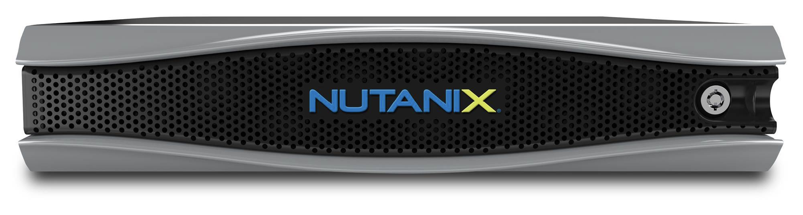
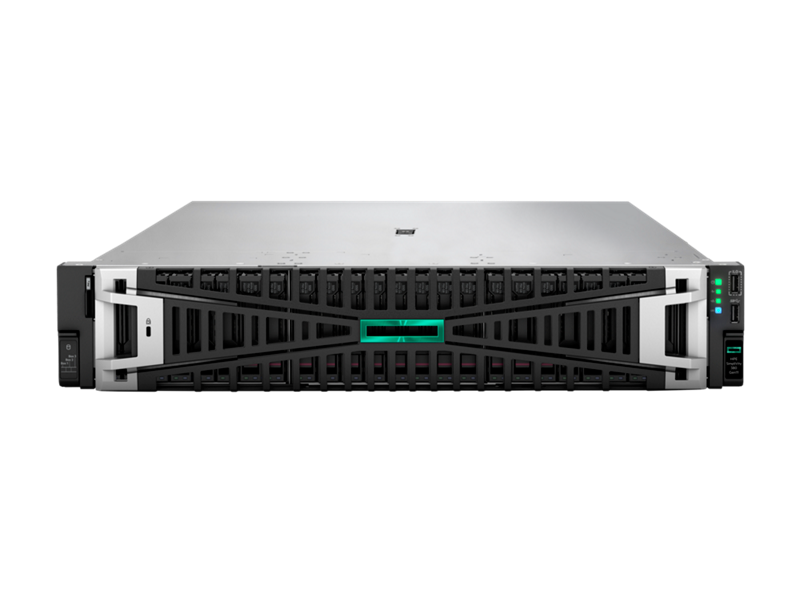
| Form Factor | 2U 1-node (2U1N) | 2U rack (HPE ProLiant DL380 Gen11) | 2U Rack Server |
| Max System Memory | Up to 4,096 GB (4 TB) DRAM | Up to 8TB DDR5 | Up to 8 TB (32× DDR5 RDIMMs @ 6400 MT/s) |
| Max Raw Storage Capacity | All-NVMe flash · All-SSD all-flash · Hybrid (SSD + HDD) | Up to 61TB raw per node | 2–16 E3.S (G5 x4) NVMe drives, 3.2 TB to 245 TB raw |
| GPU Support | Up to 4x NVIDIA A/L/H-series GPU cards per node | -- | NVIDIA A16, L4, L40S, RTX PRO 6000 Blackwell Server Edition |
| Cluster Size | 3 nodes; mix with other NX series in one cluster | -- | 2–16 nodes per Azure Stack HCI cluster |
| Data Efficiency | -- | Up to 90% savings (10:1 inline dedup + compression) | -- |
| VM Recovery Time | -- | Under 60 seconds for any VM size | -- |
| Certification | -- | -- | Microsoft Azure Stack HCI Integrated System (catalog validated) |
| Consumption Model | -- | -- | Dell APEX consumption option |
| Compute | |||
| Processor | Dual Intel Xeon Scalable (multiple SKU options) | Intel Xeon Scalable 4th Gen (Sapphire Rapids) — up to 60 cores per socket / 2 processors | Dual Intel Xeon Scalable 6th Gen (Granite Rapids), up to 86 cores/CPU |
| Max Cores per Socket | -- | Up to 60 | Up to 86 |
| Memory | |||
| Memory | Up to 4,096 GB (4 TB) DRAM | DDR5 5600 MT/s / Up to 8TB DDR5 per node | Up to 8 TB (32× DDR5 RDIMMs @ 6400 MT/s) |
| Storage | |||
| Storage Options | All-NVMe flash · All-SSD all-flash · Hybrid (SSD + HDD) | 6, 8, 9, 12, or 16 SSDs per node (1.92TB or 3.84TB each) | 2–16 E3.S (G5 x4) NVMe drives, 3.2 TB to 245 TB raw |
| Storage Controller | -- | Integrated HPE Smart Array with battery-backed write cache | -- |
| Boot Drives | -- | Hot-serviceable; single disk resiliency | BOSS-N1 with dual hot-plug 960 GB M.2 NVMe in RAID1 |
| Networking | |||
| Network | Dual 10GBase-T LOM / 10 / 25 / 40 / 100 GbE NIC options | Optional 25GbE, 40GbE, or 200GbE NIC | OCP 3.0 + PCIe; 10/25/100 GbE with RDMA (iWARP, RoCEv2) |
| GPU / Accelerators | |||
| GPU | Up to 4x NVIDIA A/L/H-series GPU cards per node | -- | NVIDIA A16, L4, L40S, RTX PRO 6000 Blackwell Server Edition |
| Expansion / PCIe | |||
| PCIe Expansion | 10 / 25 / 40 / 100 GbE NIC options | PCIe 5.0 | OCP 3.0 + PCIe |
| Management | |||
| Management | Nutanix AOS + AHV pre-installed | HPE InfoSight, VMware vCenter plugin, REST API | Dell OpenManage + Windows Admin Center + Azure portal integration |
| Power | |||
| Power Supply | Redundant PSU, 80 PLUS TITANIUM efficiency | Redundant hot-plug power supplies | -- |
| Software & OS Compatibility | |||
| Software | Nutanix AOS + AHV pre-installed | VMware ESXi (SimpliVity Software 5.3.1); KVM via HPE Morpheus VM Essentials (v6.0) | Microsoft Azure Stack HCI Integrated System |
| Licensing | -- | Socket-based term licensing; E-LTU and RTU options | -- |
| Warranty & Support | |||
| Support | 3-year hardware warranty, Nutanix Production Support | -- | Dell ProDeploy, ProSupport; Dell APEX consumption option |
Expert Analysis
These three enterprise hyperconverged infrastructure solutions represent distinct approaches to modern data centre workloads. The Nutanix NX-3155-G9 offers a balanced, flexible platform with strong GPU support for up to four NVIDIA cards, making it particularly suitable for VDI deployments and AI/ML workloads where graphical acceleration is paramount. Its 4TB memory ceiling and hybrid storage options provide good versatility, though it trails the others in raw compute and memory capacity. The HPE SimpliVity 380 Gen11 stands out with exceptional data efficiency capabilities, delivering up to 90% storage savings through inline deduplication and compression – a compelling proposition for cost-sensitive environments with predictable workloads. Its 61TB raw storage and 8TB DDR5 memory represent solid mid-range performance, though its 4th Gen Xeon processors and 200GbE networking options are a generation behind the Dell offering.
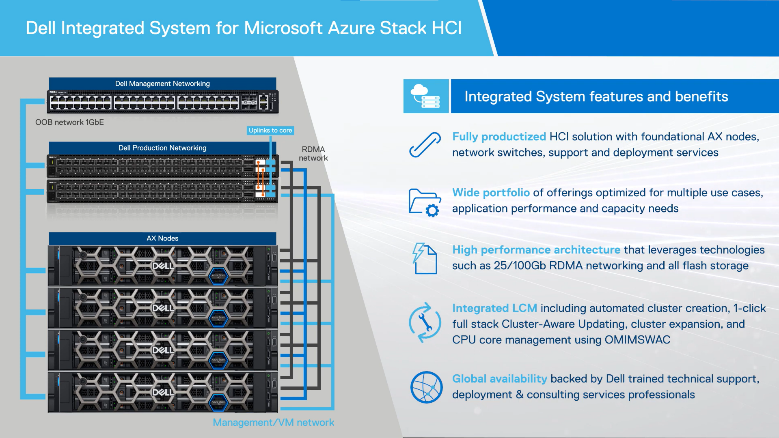
The Dell Integrated System for Azure Stack HCI (AX-770) represents the cutting edge with 6th Gen Intel Xeon Scalable processors offering up to 86 cores per CPU, 8TB of 6400 MT/s DDR5 memory, and staggering 245TB NVMe storage capacity. Its Microsoft certification and Azure portal integration make it ideal for organisations committed to the Azure ecosystem seeking seamless hybrid cloud operations. The inclusion of NVIDIA's latest Blackwell GPUs positions it for demanding AI inference and high-performance computing workloads. However, this premium capability comes with corresponding complexity and likely higher acquisition costs compared to the more established Nutanix and HPE solutions.
Value propositions differ significantly: Nutanix offers turnkey simplicity with its pre-installed software stack, HPE delivers exceptional storage efficiency for predictable workloads, while Dell provides peak performance and Azure integration for forward-looking hybrid cloud deployments. Organisations should weigh these trade-offs against their specific workload requirements, existing infrastructure investments, and strategic cloud direction.
Ready to proceed?
Want to compare different products or add more to this comparison?
Open Interactive Comparison Tool →