
🔀 Cisco Catalyst 2960X (legacy) vs 1000-48T vs 9200-24T
AI-powered analysis across 26 matched specifications
Performance Overview
Scores based on quantifiable specification values (1-10 scale)
Detailed Specifications
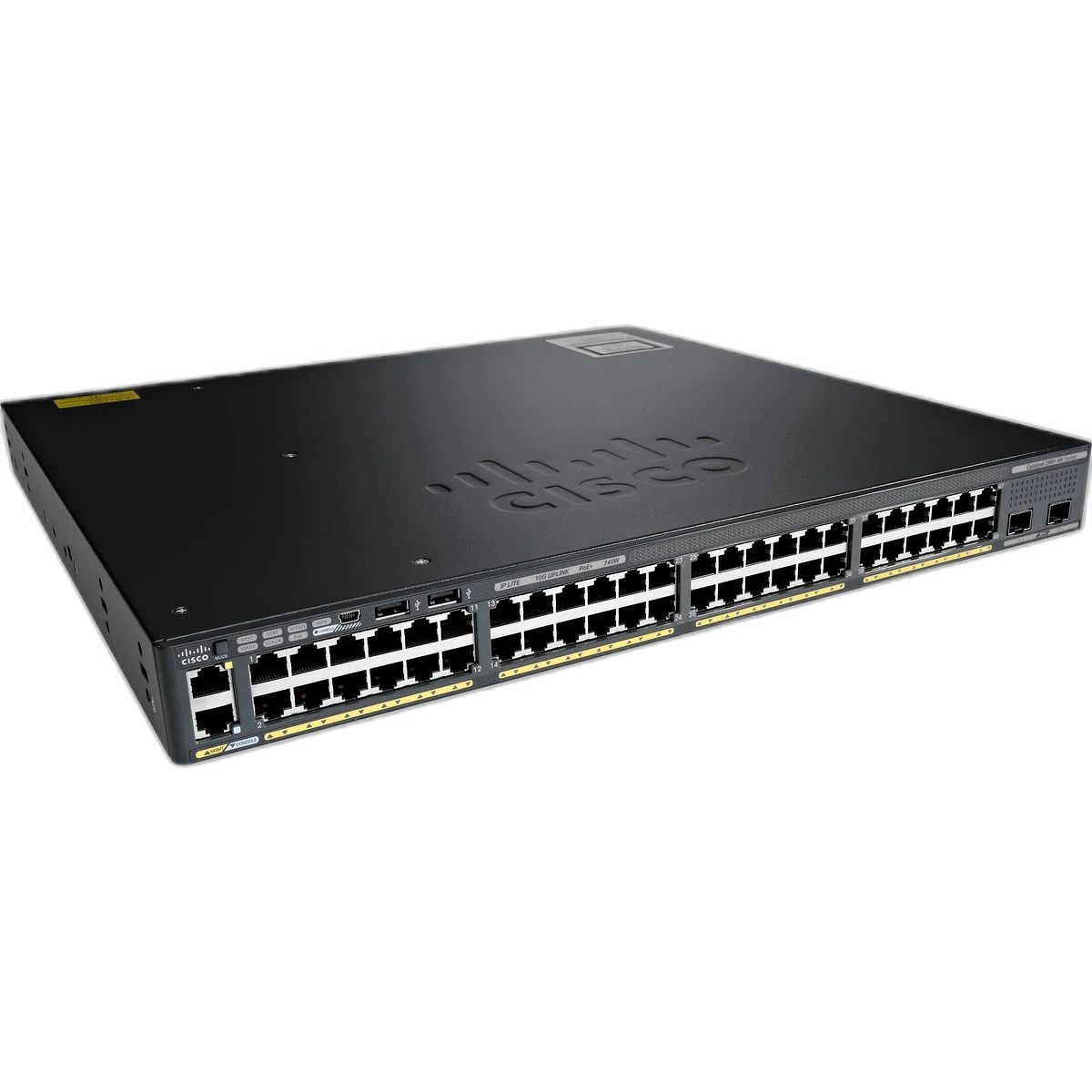
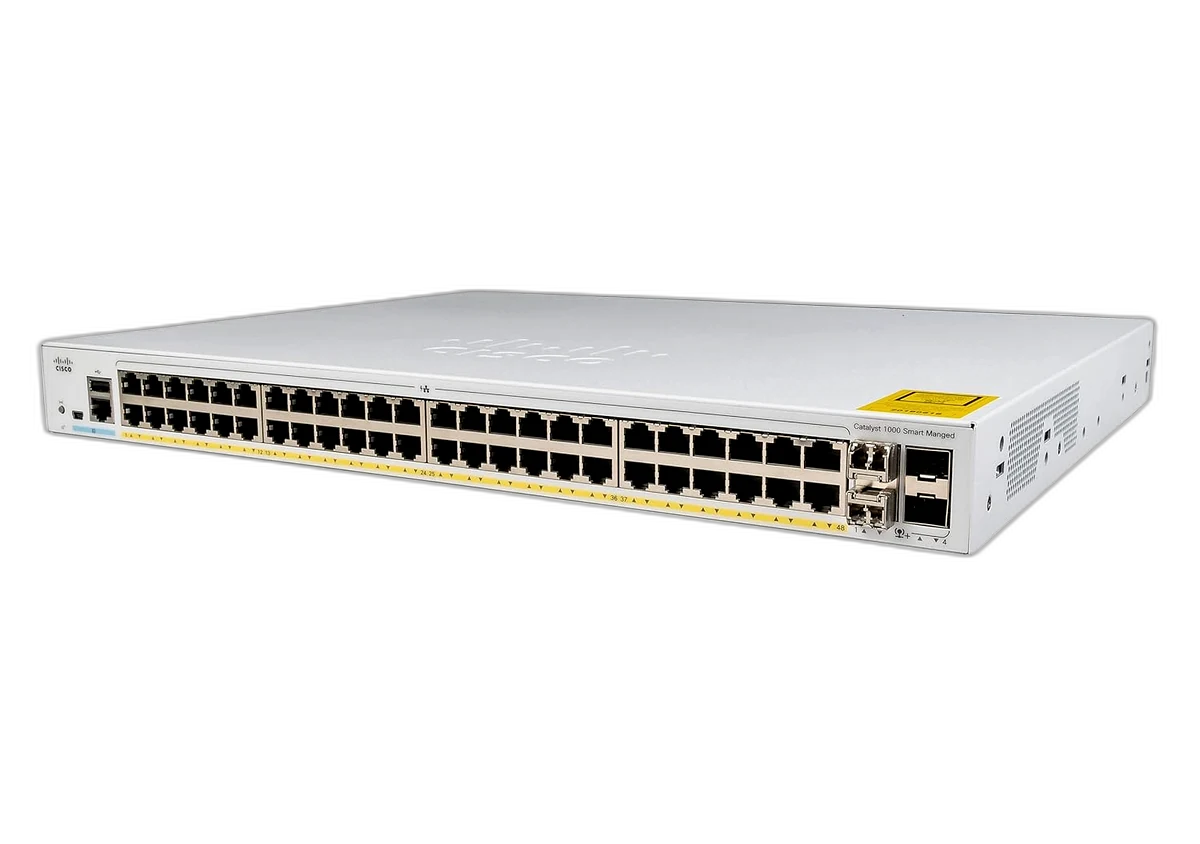
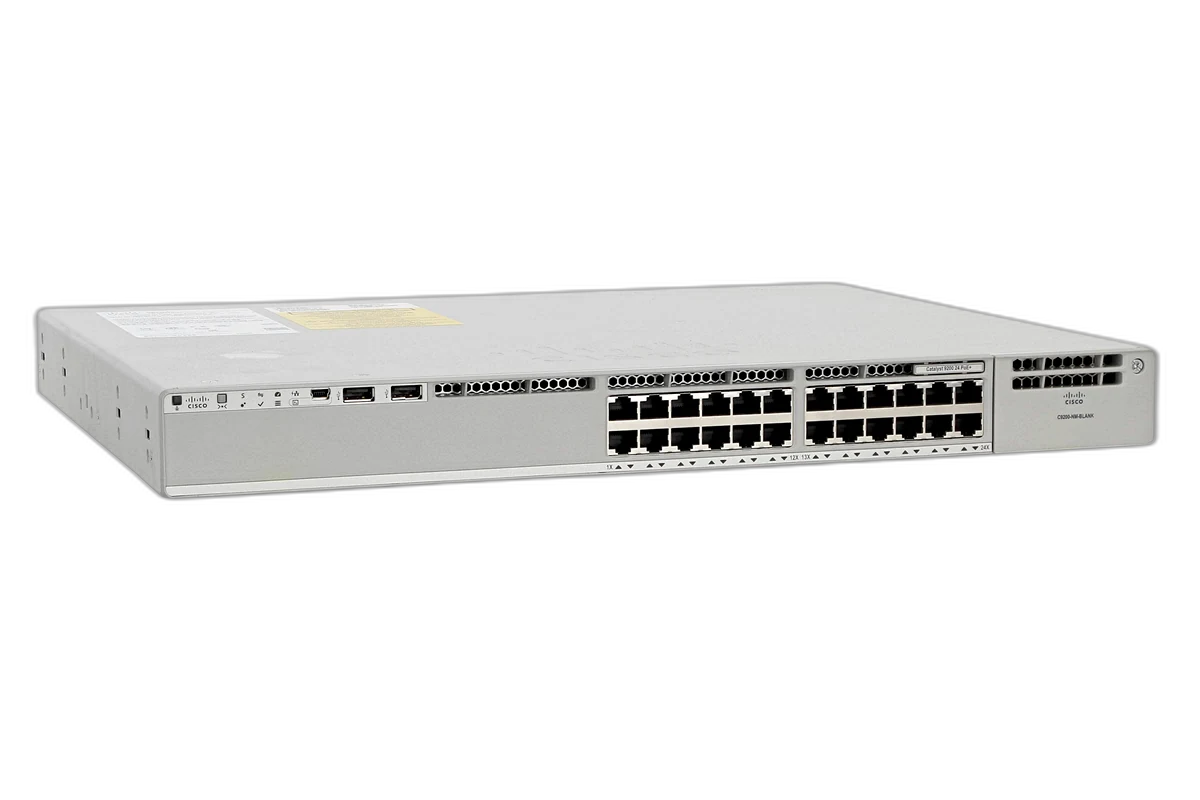
| Specification | Cisco Catalyst 2960-X / 2960-XR Cisco | Cisco Catalyst 1000-48T Cisco | Cisco Catalyst 9200-24T Cisco |
|---|---|---|---|
| Key Metrics | |||
| Access ports | 24 or 48 × 1GbE | 48 × 1GbE | 24 × 1GbE |
| Uplinks | 2 or 4 × 1G SFP | 4 × 10G SFP+ | 4 × 1G SFP |
| Switching capacity | 108 Gbps (48-port) | 104 Gbps | 56 Gbps |
| Stacking | FlexStack-Plus (up to 8, 2960-X) | No true stacking | StackWise-160 (up to 8) |
| Software | Cisco IOS (LAN Lite/LAN Base) | Cisco IOS (Layer 2) | Cisco IOS-XE |
| Lifecycle status | End-of-sale / End-of-support approaching | Current — entry tier | Current — enterprise tier |
| Forwarding & Performance | |||
| Forwarding rate | 71.4 Mpps (48-port) | 77.3 Mpps | 41.7 Mpps |
| ASIC | Fixed-function | Fixed-function | Programmable UADP-lite |
| MAC address table | 16,000 | 16,000 | 16,000 |
| Jumbo frames | 9,198 bytes | 9,198 bytes | 9,198 bytes |
| 10G uplink support | No | Yes (4 × SFP+) | No (24T variant; SFP+ on 9200-24P/PXG) |
| Software & Features | |||
| Layer 3 capability | Static routing (LAN Base) | Static routing, RIP | Static routing, OSPF (Network Advantage) |
| Programmability | CLI / SNMP only | CLI / SNMP, limited REST | YANG, NETCONF, RESTCONF, gNMI |
| MACsec encryption | No | No | MACsec-256 in hardware |
| Telemetry | SNMP, Syslog | SNMP, Syslog | Model-driven streaming telemetry |
| Cisco DNA / Catalyst Center support | No | No | Yes (DNA Essentials/Advantage) |
| Management & Operations | |||
| Out-of-band management | Console (RJ45) | Console (RJ45), mini-USB | Console (RJ45), USB, dedicated mgmt port |
| Cisco Business Dashboard / Catalyst Center | Limited (legacy Prime) | Cisco Business Dashboard | Catalyst Center / Meraki Dashboard (with monitor mode) |
| ZTP / PnP | Smart Install (deprecated) | Limited PnP | Full Cisco Plug and Play |
| USB file system | Yes | Yes | Yes |
| Physical, Power & Lifecycle | |||
| Form factor | 1U | 1U | 1U |
| PSU | Internal (fixed); 2960-XR dual PSU | Internal (fixed) | Internal (fixed); field-replaceable fan on some SKUs |
| Cooling | Fan-cooled | Fanless (T-L), fan-cooled on PoE | Fan-cooled |
| Typical UK list price (24T non-PoE) | EoS — refurb/used market only | ~£800–£1,100 | ~£2,500–£3,200 |
| End-of-support date | 31 Oct 2025 (LDoS) | Current — supported | Current — supported |
| Warranty | E-LLW (legacy) | Enhanced Limited Lifetime | Enhanced Limited Lifetime |
Expert Analysis
The single most important fact in this comparison is lifecycle: the 2960-X / 2960-XR family is past end-of-sale, with last-date-of-support landing on 31 October 2025. For any UK organisation still running 2960-X at the access layer, the question is not whether to refresh but which Catalyst tier to refresh onto. Continuing to deploy 2960-X — even from grey-market stock — means buying into a platform that will fall outside Cisco TAC, PSIRT advisories and software updates, which is increasingly hard to justify under NCSC Cyber Assessment Framework and Cyber Essentials Plus reviews.
The Catalyst 1000-48T-4X-L is the natural like-for-like successor for sites that simply need reliable Layer 2 access with modern uplinks. Four 10G SFP+ ports are a genuine upgrade over the 2960-X's 1G SFP uplinks, the non-PoE SKU is fanless (useful for retail back-offices and small comms cupboards), and pricing sits well below the 9200. What you give up is real: no IOS-XE, no programmability, no MACsec, no Catalyst Center / DNA integration, and no true data-plane stacking. It is an access switch, not a platform.
The Catalyst 9200-24T sits in a different conversation. It runs IOS-XE with YANG/NETCONF/RESTCONF and model-driven telemetry, supports hardware MACsec-256, stacks up to eight units over StackWise-160, and is a first-class citizen in Catalyst Center and (with the right licensing) the Meraki dashboard. The 24T variant's 1G SFP uplinks are its weakest spec — if you need 10G uplinks you should be looking at 9200-24P/PXG or 9300 — and the per-port cost is roughly 2–3× the C1000.
Our recommendation framework: if the site is a branch, school or small office where the switch's job is to deliver 1GbE to endpoints and trunk back to a core, the C1000-48T is the pragmatic refresh. If the site is a head office, hospital, campus or anywhere that will need segmentation, encrypted east-west traffic, automation via Ansible/Terraform, or a multi-switch stack with sub-second failover, pay the premium for the C9200-24T (or its PoE/10G siblings). The 2960-X should only remain in service long enough to plan its replacement.
Ready to proceed?
Want to compare different products or add more to this comparison?
Open Interactive Comparison Tool →