
☁️ HPE SimpliVity 325 Gen11 vs 380 Gen11 vs 2600
AI-powered analysis across 26 matched specifications
Performance Overview
Scores based on quantifiable specification values (1-10 scale)
Detailed Specifications
| Specification | SimpliVity 325 Gen11 HPE | SimpliVity 380 Gen11 HPE | SimpliVity 2600 HPE |
|---|---|---|---|
| Key Metrics | |||
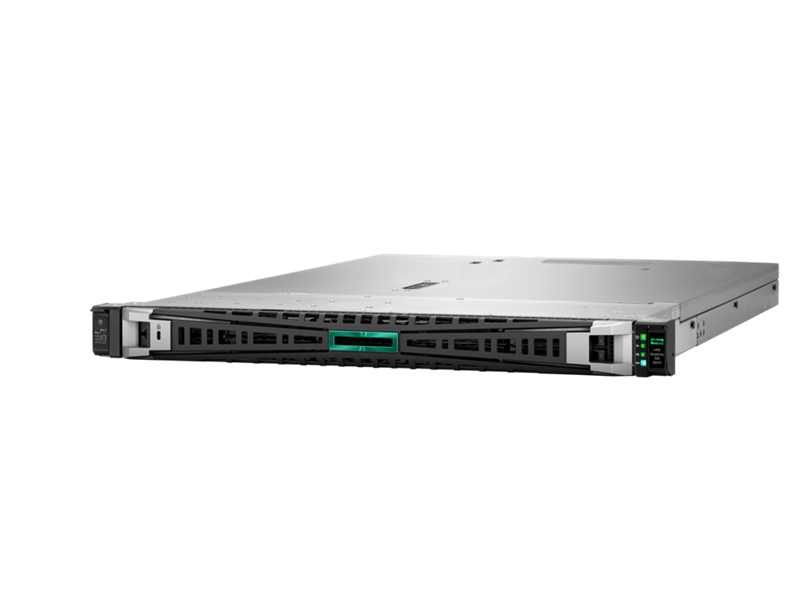
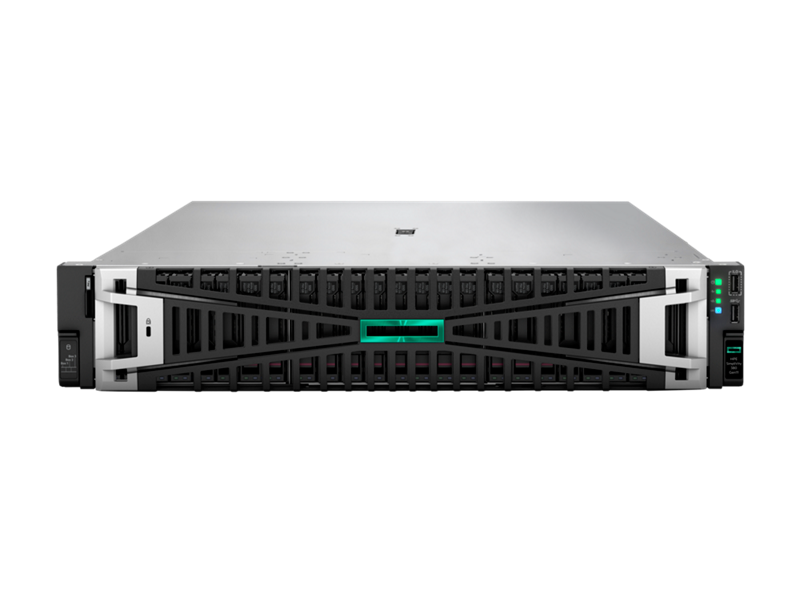
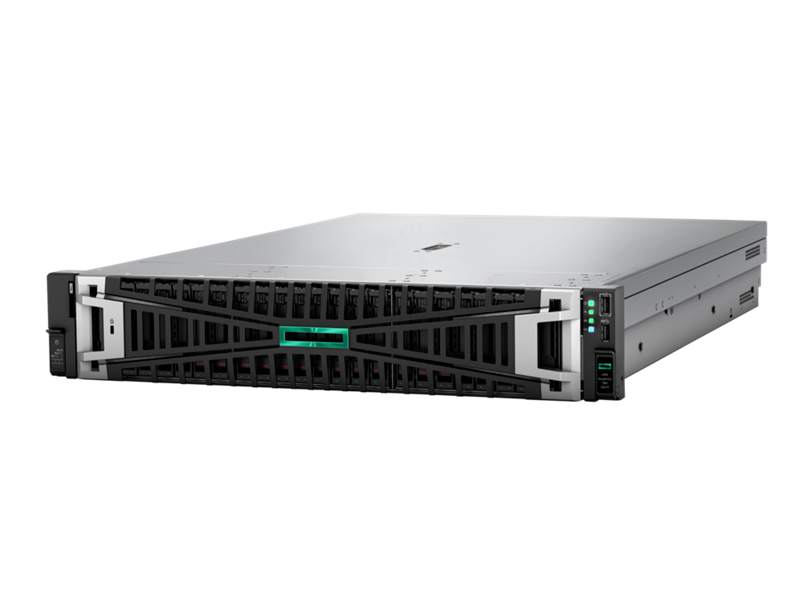
| Form factor | 1U single-socket | 2U dual-socket | 1U dual-socket (DL360 Gen10) |
| CPU family | AMD EPYC 9004 (Genoa) | Intel Xeon Scalable 4th Gen (Sapphire Rapids) | Intel Xeon Scalable 1st Gen (Skylake) |
| Max cores per node | 128 (1×128c) | 120 (2×60c) | up to 2×Gold 6130 (32c) |
| Max memory per node | 3 TB DDR5 | 8 TB DDR5-5600 | 1.5 TB DDR4 |
| Max raw SSD capacity per node | 30 TB | 61 TB | 46 TB |
| Generation / platform | Gen11 (ProLiant DL325) | Gen11 (ProLiant DL380) | Gen10 (ProLiant DL360) |
| Compute & Memory | |||
| Socket count | 1 | 2 | 2 |
| Processor architecture | AMD EPYC 9004 'Genoa' | Intel Xeon Scalable Gen4 'Sapphire Rapids' | Intel Xeon Scalable Gen1 'Skylake' |
| Memory type | DDR5 | DDR5-5600 MT/s | DDR4 |
| Memory ceiling | 3 TB | 8 TB | 1.5 TB |
| Best fit for core density | Highest cores-per-U (128c in 1U) | Highest cores-per-node (120c) | Modest — first-gen Xeon |
| Storage | |||
| Drive bay options | 6 or 8 SSD | 6, 8, 9, 12 or 16 SSD | 6 to 12 SSD |
| Max raw capacity | 30 TB | 61 TB | 46 TB |
| Media | All-SSD | All-SSD | All-SSD |
| Data reduction | OmniStack inline dedupe + compression (~10:1) | OmniStack inline dedupe + compression (~10:1) | OmniStack inline dedupe + compression (~10:1) |
| Integrated backup | Yes — OmniStack | Yes — VM restore <60s | Yes — replication to HQ over WAN |
| Networking & Expansion | |||
| PCIe generation | PCIe 5.0 | PCIe 5.0 | PCIe 3.0 |
| High-speed NIC support | Up to 100GbE | Up to 200GbE | Up to 25GbE typical |
| Expansion slots | Limited (1U single-socket) | Generous (2U chassis) | Limited (1U) |
| Management & Software | |||
| Software stack | SimpliVity Software 6.0 / OmniStack | SimpliVity Software 6.0 / OmniStack | OmniStack (legacy 4.x/5.x lineage) |
| Hypervisor integration | vCenter plugin; Morpheus VM Essentials option | vCenter plugin; Morpheus VM Essentials option | vCenter plugin |
| Cluster minimum | 2 nodes (with Arbiter) | 2 nodes (with Arbiter) | 2-node ROBO with SVT Arbiter |
| Lifecycle status | Current Gen11 | Current Gen11 | Gen10 — late-life, suited to existing estates |
| Deployment Fit | |||
| Primary use case | High-density core / VDI / space-constrained racks | General-purpose core data centre & mixed workloads | Edge / ROBO branch sites |
| Rack density | Highest (1U, 128c) | Moderate (2U) | High (1U) but older silicon |
| Scale-up headroom | Memory-limited at 3 TB | Highest — 8 TB RAM, 61 TB SSD | Lowest — 1.5 TB RAM |
Expert Analysis
The most important practical difference here is generation and silicon: the 325 and 380 are current Gen11 platforms on DDR5 and PCIe 5.0, whilst the 2600 is a Gen10 DL360-based appliance on first-generation Xeon Scalable and DDR4. If you are buying new today for a primary data centre, the decision is really between the 325 and 380 — the 2600 only makes sense where you are extending an existing OmniStack estate at the edge or replacing failed ROBO nodes in a cluster you already operate.
Between the two Gen11 options, the SimpliVity 380 Gen11 is the broader workhorse: two sockets of Sapphire Rapids, up to 8 TB of DDR5, 61 TB raw SSD per node and 200GbE NIC headroom make it the right pick for mixed virtualisation estates, larger VDI pools and anything memory-hungry such as SQL or in-memory analytics. The 325 Gen11 trades the second socket and memory ceiling for density — a single 128-core EPYC in 1U doubles the cores-per-rack-U of the 380 and is the standout choice for VDI knowledge-worker pools, container hosts and any UK colocation where rack space, power draw or the per-U cross-connect is the binding constraint.
The 2600 should be read as an edge appliance, not a small-core appliance. Its 2-node-plus-Arbiter ROBO topology, OmniStack dedupe and WAN-efficient replication back to HQ are still genuinely useful for retail, manufacturing or NHS branch sites that need local VM hosting without on-site IT. But the Skylake CPUs, DDR4 ceiling of 1.5 TB and PCIe 3.0 fabric are showing their age, and buyers should factor lifecycle support into any new purchase.
Recommendation framework: pick the 380 Gen11 as the default for core data-centre HCI where memory and storage scale matter; pick the 325 Gen11 when density, VDI core-count or rack/power economics dominate; and only specify the 2600 to extend an existing SimpliVity ROBO footprint where the operational model — central management, no on-site hands, OmniStack replication to HQ — is already proven and you don't need Gen11 performance at the branch.
Ready to proceed?
Want to compare different products or add more to this comparison?
Open Interactive Comparison Tool →