
💻 ThinkPad X13 vs X9 14 Aura vs X1 Carbon
AI-powered analysis across 33 matched specifications
Performance Overview
Scores based on quantifiable specification values (1-10 scale)
Detailed Specifications
| Specification | ThinkPad X13 Gen 6 Lenovo | ThinkPad X9 14 Aura Edition Lenovo | ThinkPad X1 Carbon Gen 13 Lenovo |
|---|---|---|---|
| Key Metrics | |||
| Display size | 13.3" | 14.0" | 14.0" |
| Panel options | WUXGA IPS anti-glare | 2.8K OLED touch | WUXGA IPS or 2.8K OLED touch |
| Processor | Intel Core Ultra 5/7 (Series 2) | Intel Core Ultra 5/7 (Series 2, Copilot+) | Intel Core Ultra 5/7 (Series 2, Copilot+ SKU) |
| Max memory | 64 GB LPDDR5x | 32 GB LPDDR5x | 64 GB LPDDR5x-8533 |
| Weight | Sub-1.1 kg | Sub-1.3 kg | Sub-1.0 kg (target) |
| Chassis material | Aluminium | Aluminium | Carbon-fibre + magnesium |
| Display | |||
| Resolution | 1920×1200 | 2880×1800 | 1920×1200 or 2880×1800 |
| Panel type | IPS | OLED | IPS or OLED |
| Brightness | 300 or 400 nits | 500 nits | 400 nits (IPS) / 500 nits (OLED) |
| Touch | No | Yes | Yes (OLED SKU) |
| Anti-glare | Yes | No (glossy OLED) | Yes (IPS SKU) |
| Colour gamut | -- | 100% DCI-P3 | -- |
| Compute & Memory | |||
| CPU family | Core Ultra Series 2 | Core Ultra Series 2 | Core Ultra Series 2 |
| Copilot+ qualifying | No (NPU below 40 TOPS on most SKUs) | Yes | Yes (on Ultra 7 SKU) |
| Memory type | LPDDR5x soldered | LPDDR5x soldered | LPDDR5x-8533 soldered |
| Max RAM | 64 GB | 32 GB | 64 GB |
| vPro Enterprise | Optional | Optional | Yes |
| Connectivity & Ports | |||
| Thunderbolt 4 / USB4 | 2× TB4 | 2× TB4 | 2× TB4 |
| USB-A | Yes | No | Yes |
| HDMI | Yes | No | Yes |
| Wi-Fi | Wi-Fi 6E/7 | Wi-Fi 7 | Wi-Fi 7 |
| Bluetooth | -- | -- | 5.4 |
| 5G WWAN | Optional (chassis ready) | No | Optional (with eSIM + GPS) |
| Security & Manageability | |||
| TPM | dTPM 2.0 | dTPM 2.0 | dTPM 2.0 |
| IR camera / Windows Hello | Optional | Yes | Yes |
| Fingerprint reader | Optional | Yes | Yes |
| ePrivacy panel | No | No | Optional |
| ThinkShield suite | Yes | Yes | Yes |
| MIL-STD-810H | Yes | Yes | Yes |
| Input & Ergonomics | |||
| Keyboard | Full-size ThinkPad, spill-resistant | ThinkPad, lower-profile | ThinkPad, spill-resistant |
| TrackPoint | Yes | Yes | Yes |
| Touchpad | Mechanical | Haptic (no mechanical click) | Mechanical |
| Webcam / mic | FHD + IR optional | Communications bar — upgraded webcam + far-field mics | FHD + IR, ThinkShutter |
Expert Analysis
The practical difference between these three is positioning, not pedigree — all are Core Ultra Series 2 ThinkPads with MIL-STD-810H testing, TrackPoint and ThinkShield, so the choice comes down to screen, ports and how much you want to spend per seat. The X13 Gen 6 is the pragmatic fleet machine, the X9 14 Aura is the design-led Copilot+ showcase, and the X1 Carbon Gen 13 remains the flagship that does almost everything the other two do, but lighter and with fewer compromises.
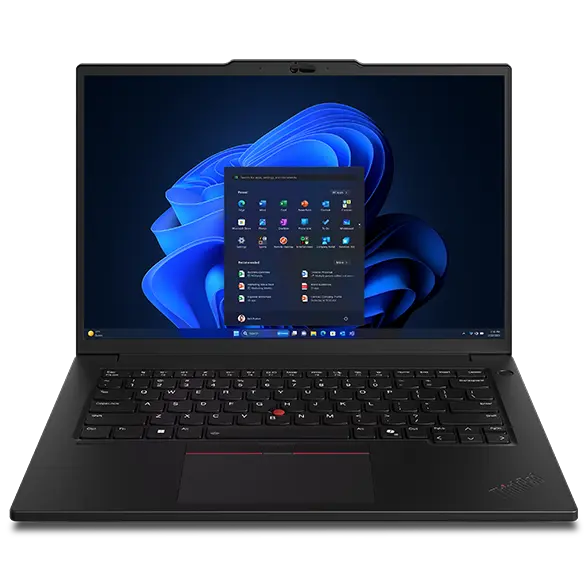
The ThinkPad X13 Gen 6 is the value play. A 13.3" WUXGA IPS panel, retained USB-A and HDMI, optional 5G and up to 64 GB RAM make it the easiest of the three to slot into a mixed estate where users still plug into projectors, USB headsets and legacy peripherals. It trades the OLED panel and the newest webcam hardware for a lower price and a smaller footprint — fair for a mainstream business 13-incher.
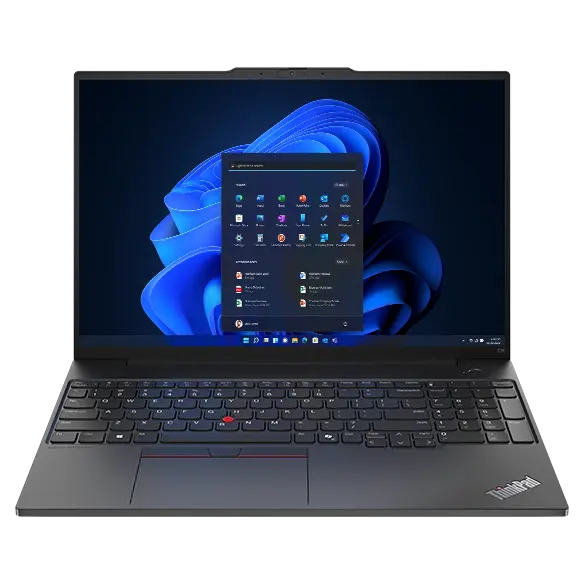
The X9 14 Aura Edition is the most opinionated of the three. The 2.8K OLED touch panel at 500 nits and 100% DCI-P3 is genuinely the best screen here, the communications bar improves video calls noticeably, and the haptic touchpad feels modern. But Lenovo has capped memory at 32 GB, removed USB-A and HDMI entirely, and the chassis is the heaviest of the three. It is a deliberate MacBook-style statement device — excellent for executives and client-facing staff, awkward for engineers who still carry dongles.
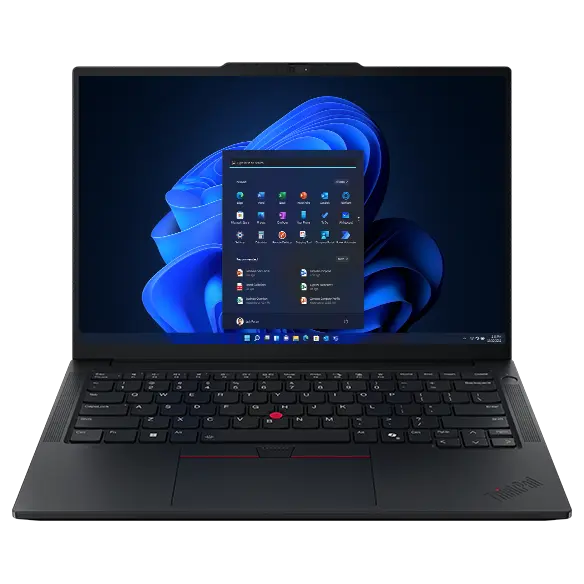
The X1 Carbon Gen 13 is the one most UK enterprise buyers will end up specifying. You get the OLED option if you want it, the IPS anti-glare option if you don't, 64 GB RAM headroom, vPro Enterprise as standard, optional 5G with eSIM and GPS, an ePrivacy panel option for regulated environments (legal, finance, NHS), and sub-1 kg weight. It is the most expensive, but it is also the only one of the three that doesn't force a trade-off. Rule of thumb: pick X13 for volume rollouts on a budget, X9 Aura for execs and creatives who value the panel and don't need legacy ports, and X1 Carbon for everyone whose role justifies the premium — particularly mobile workers, board-level users and anyone needing 5G or ePrivacy.
Ready to proceed?
Want to compare different products or add more to this comparison?
Open Interactive Comparison Tool →