🔀 FortiSwitch PoE 8P vs 48P FPoE vs 224E-PoE
AI-powered analysis across 21 matched specifications


Performance Overview
Scores based on quantifiable specification values (1-10 scale)
Detailed Specifications
| Specification | FortiSwitch FS-108F-POE Fortinet | FortiSwitch FS-148F-FPOE Fortinet | FortiSwitch FS-224E-POE Fortinet |
|---|---|---|---|
| Key Metrics | |||
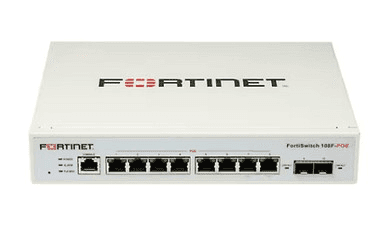
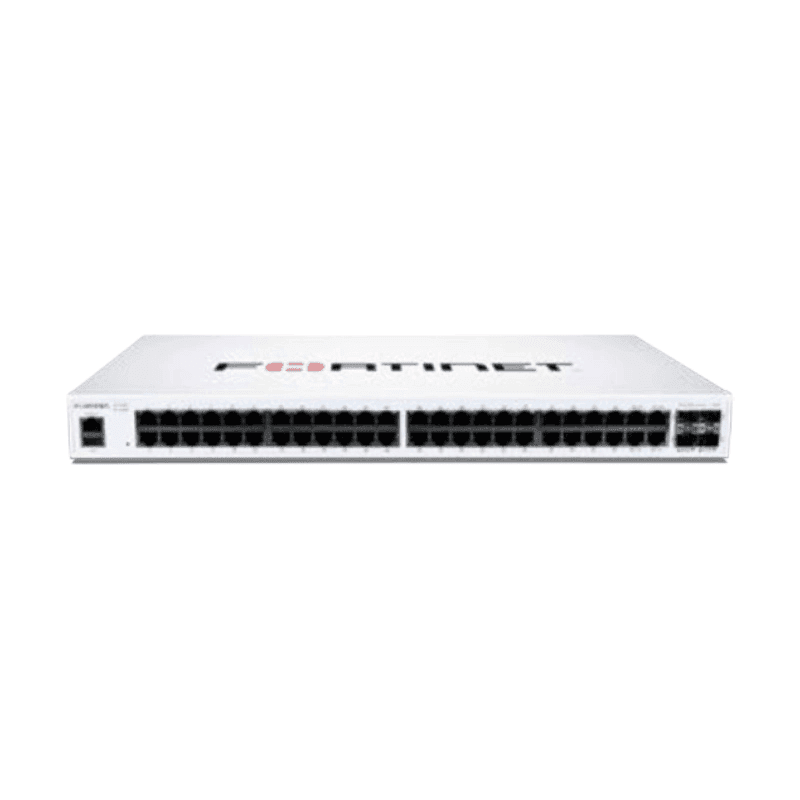
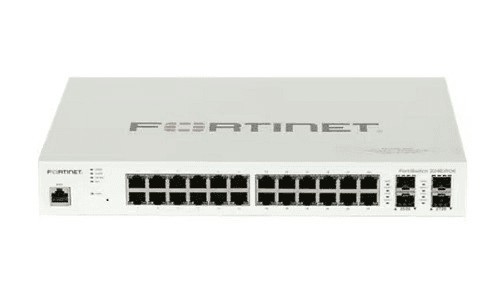
| Total ports | 8 × GE | 48 × GE + 4 × 10GE SFP+ | 24 × GE + 4 × GE SFP |
| PoE-capable ports | 8 (all ports) | 48 (all ports) | 12 of 24 |
| Total PoE budget | 120W | 740W | 180W |
| Switching capacity | 16 Gbps | 176 Gbps | 56 Gbps |
| Forwarding rate | 11.9 Mpps | -- | -- |
| Form factor | Desktop / compact | 1U rack-mount | 1U rack-mount |
| Port density & uplinks | |||
| Access ports | 8 × 1GbE RJ45 | 48 × 1GbE RJ45 | 24 × 1GbE RJ45 |
| Uplink ports | None (access ports shared) | 4 × 10GE SFP+ | 4 × 1GE SFP |
| Uplink speed | -- | 10 Gbps | 1 Gbps |
| Stacking / aggregation | FortiLink only | FortiLink, LAG | FortiLink, LAG |
| PoE & power | |||
| PoE standard | 802.3af/at (up to 30W/port) | 802.3at PoE+ | 802.3at PoE+ |
| PoE budget | 120W | 740W | 180W |
| Max per-port PoE | 30W | 30W | 30W |
| All ports at full PoE+? | No (budget limits ~4 ports at 30W) | Yes — full PoE+ on all 48 ports | No (12 ports PoE, budget-limited) |
| Energy-Efficient Ethernet (802.3az) | Yes | -- | -- |
| Management & security | |||
| FortiLink (FortiGate-managed) | Yes | Yes | Yes |
| FortiCloud | Yes | Yes | Yes |
| VLAN / QoS | Yes | Yes | Yes |
| 802.1X authentication | -- | Yes | Yes |
| IGMP snooping | -- | -- | Yes |
| Compliance | |||
| Certifications | FCC, CE, RoHS | -- | -- |
Expert Analysis
The single most important difference here is scale. The 108F-POE is a small-office access switch, the 224E-POE is a mid-sized branch switch where only half the ports need power, and the 148F-FPOE is a true full-PoE+ aggregation-capable access switch with 10G uplinks. They are not really substitutes for one another — they are three points on the same FortiLink-managed product line, and the right choice is almost entirely dictated by port count and PoE budget.
The FS-148F-FPOE is the standout on paper. A 740W PoE budget means you can genuinely run 802.3at PoE+ on every one of the 48 ports simultaneously, which very few switches in this class actually deliver — most ration power across a subset. Combined with 176 Gbps of switching capacity and four 10GE SFP+ uplinks, it is the obvious choice for a floor or wiring closet feeding Wi-Fi 6 APs, IP phones and PTZ cameras into a 10G aggregation core. The FS-224E-POE sits awkwardly by comparison: 24 access ports but only 12 of them are PoE-capable and the total budget is just 180W, so it suits sites where most endpoints are unpowered (desktops, printers) with a handful of phones or APs mixed in. The FS-108F-POE is straightforward — a small, quiet 8-port unit for a meeting room, retail back-office or a remote worker's home setup where two or three powered devices need to come off a FortiGate-managed network.
Where all three genuinely tie is management. FortiLink integration with a FortiGate is the reason most UK buyers pick FortiSwitch in the first place: the switches become an extension of the firewall, with VLANs, 802.1X and policy pushed from FortiOS, and FortiCloud available for distributed estates. None of them is a Layer 3 routing switch, and none publishes detailed buffer or latency figures — if you need MLAG, deep buffers or VXLAN, you are in the wrong product family and should be looking at the FortiSwitch 4xx/5xx series.
Recommendation framework: pick the 148F-FPOE if you are kitting out a branch or floor with dense Wi-Fi 6 / VoIP / camera deployment and want 10G uplinks to a FortiGate or core. Pick the 224E-POE if you have around 24 users where only a third need PoE and you want a budget-friendly rack-mount option. Pick the 108F-POE for small sites and remote-worker setups where eight ports is genuinely enough and the appeal is FortiGate-managed simplicity rather than capacity.
Ready to proceed?
Want to compare different products or add more to this comparison?
Open Interactive Comparison Tool →