
💻 X1 Carbon G13 vs ExpertBook B9 OLED vs EliteBook Ultra G1i
ExpertBook B9 OLED (B9403) vs ThinkPad X1 Carbon Gen 13 vs HP EliteBook Ultra 14" G1i compared across 23 matched specifications — scores, the full spec table and a verdict.
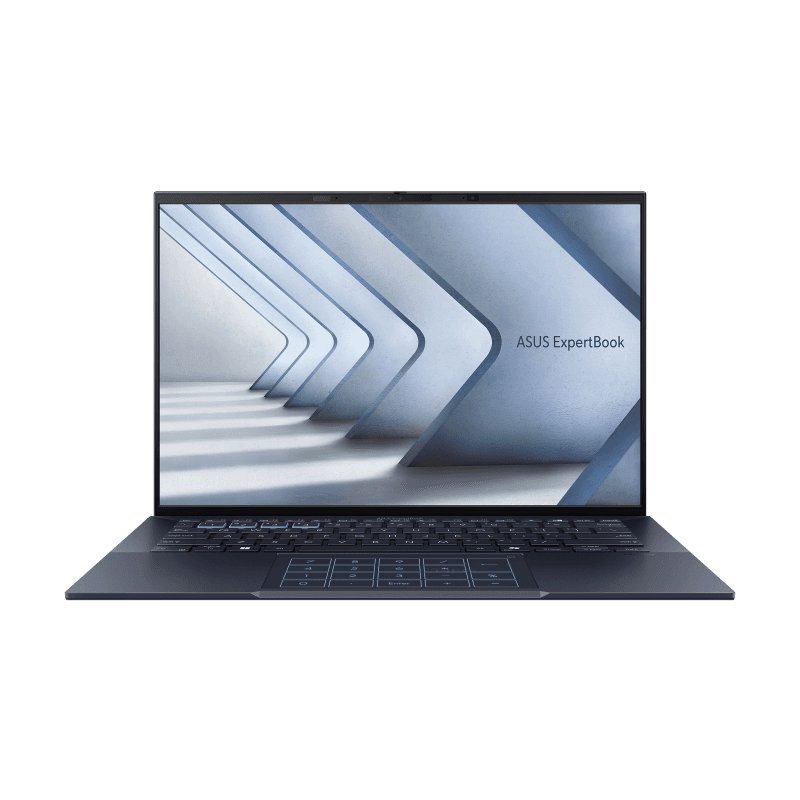
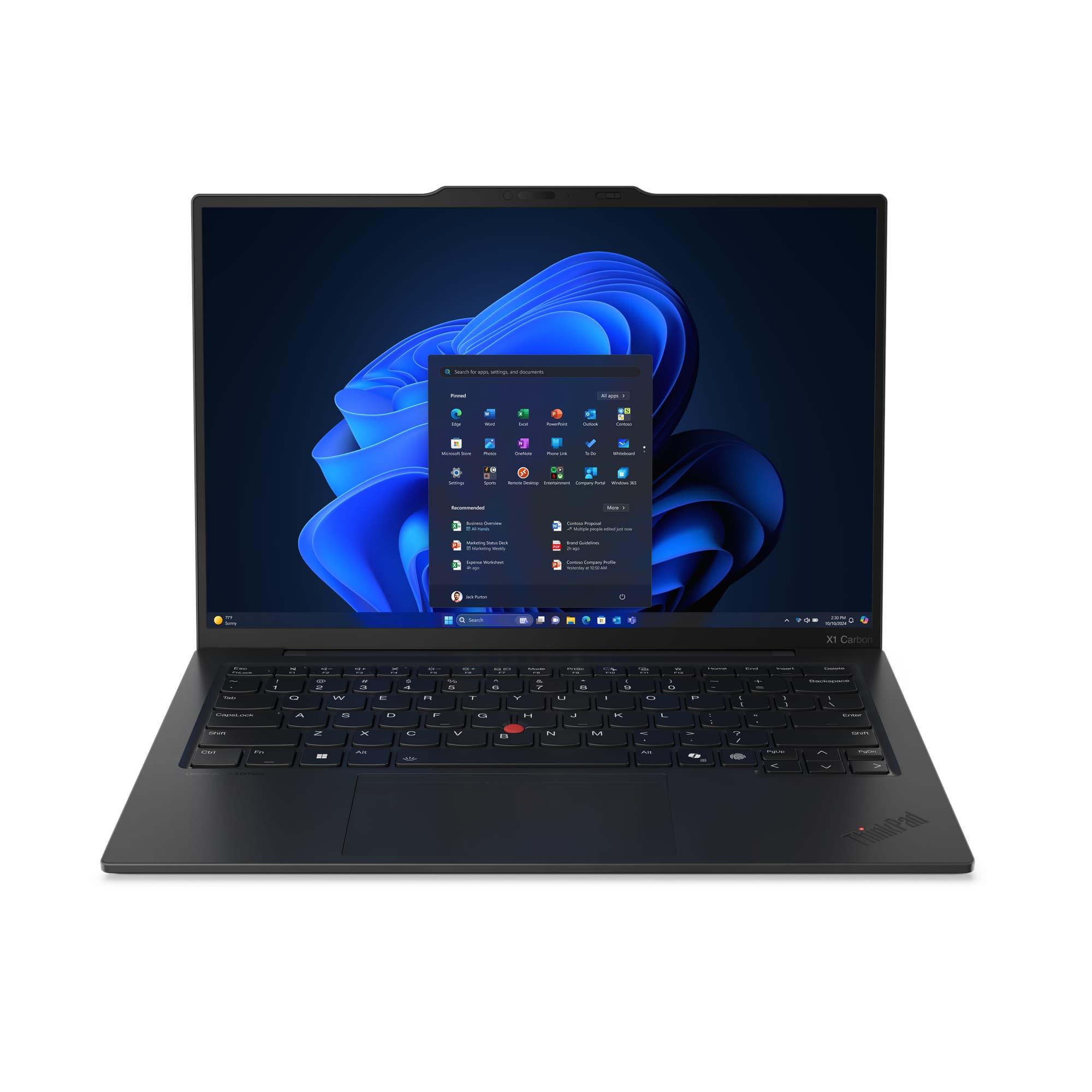
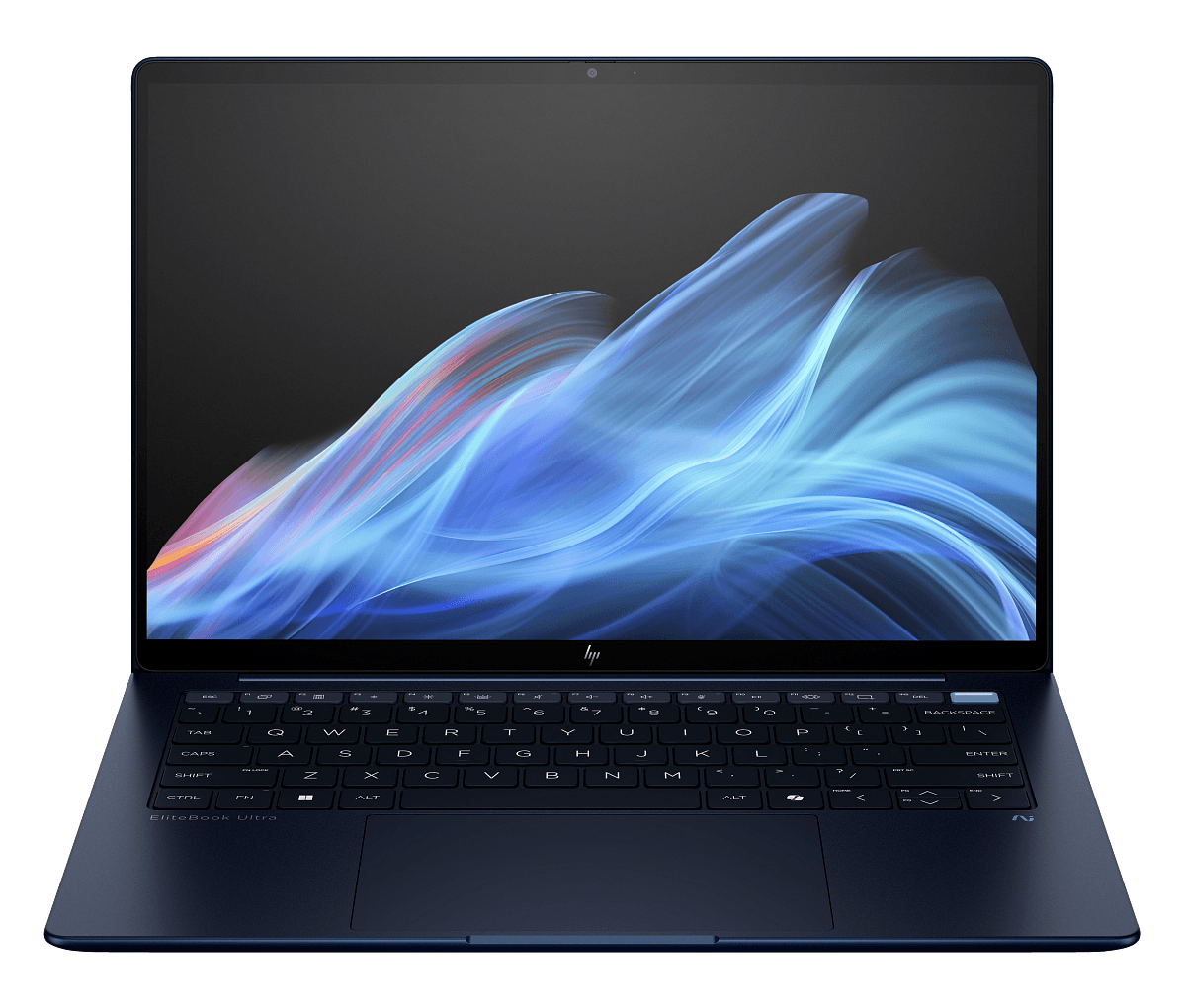
X1 Carbon G13 vs ExpertBook B9 OLED vs EliteBook Ultra G1i: performance overview
Scores based on quantifiable specification values (1-10 scale)
Detailed Specifications
| Specification | ExpertBook B9 OLED (B9403) ASUS | ThinkPad X1 Carbon Gen 13 Lenovo | HP EliteBook Ultra 14" G1i HP |
|---|---|---|---|
| Performance | |||
| Processor | Intel Core 7 150U or Core 5 120U (vPro Essentials options) - Intel Core Series 1 (Raptor Lake), 10 cores (2P+8E) / 12 threads, no integrated NPU | Intel Core Ultra 5/7 Series 2 — Lunar Lake (V, Copilot+) and Arrow Lake (U/H). Stocked: Core Ultra 7 258V (Copilot+) · Core Ultra 7 255U | Intel Core Ultra Series 2 (Lunar Lake) — Core Ultra 5 226V / 228V / 236V / 238V or Core Ultra 7 256V / 258V / 266V / 268V, with NPU rated 40–48 TOPS depending on processor |
| CPU cores | 10 cores / 12 threads | Core Ultra 7 258V (Lunar Lake, 8-core); Core Ultra 7 255U (Arrow Lake, 12-core / 14-thread) | -- |
| Graphics | Intel Graphics (integrated) | Intel Arc Graphics 140V (258V) / Intel Graphics (255U), integrated | Integrated Intel Arc Graphics (140V) |
| Discrete GPU | Integrated Intel Graphics only — no discrete GPU option | Integrated only (Intel Arc 140V / Intel Graphics) | Integrated Intel Arc Graphics only |
| Memory & storage | |||
| Maximum memory | Up to 64 GB LPDDR5X (soldered, on-board) | 16 / 32 / 64 GB LPDDR5x soldered, dual-channel, not upgradable — Lunar Lake LPDDR5x-8533 to 32 GB · Arrow Lake LPDDR5x-8400 to 64 GB | Up to 32 GB LPDDR5x-8533 (on-package, soldered, dual-channel) |
| Memory type | LPDDR5X (soldered, on-board) | LPDDR5x soldered, dual-channel (LPDDR5x-8533 / 8400) | LPDDR5x-8533 (on-package, soldered, dual-channel) |
| Maximum storage | Up to 2 TB M.2 2280 PCIe 4.0 x4 NVMe SSD | M.2 2280 NVMe, Opal 2.0, up to 2 TB — PCIe 5.0 x4 (V/H) or PCIe 4.0 x4 (U). Single drive | Up to 2 TB PCIe Gen4 x4 NVMe SSD (256 / 512 GB / 1 / 2 TB) |
| Display | |||
| Display size | 14.0" | 14.0″ | 14" 3K (2880 x 1800) OLED, 120 Hz, touch or non-touch |
| Resolution | 2880 x 1800 | 1920×1200 (WUXGA); 2880×1800 OLED option | 2880×1800 |
| Brightness | 400 nits | ✓WUXGA 500-nit; 2.8K OLED | 400 nits |
| Panel | 14.0" 2.8K OLED (2880 x 1800) WQXGA+, 90 Hz, 400 nits, 100% DCI-P3, VESA DisplayHDR True Black 600, glossy | WUXGA IPS anti-glare / 2.8K OLED 120 Hz, DisplayHDR True Black 500 | 3K (2880 x 1800) OLED, 120 Hz (VRR), 400 nits, 100% DCI-P3, low blue light; touch or non-touch (no IPS option) |
| Touchscreen | -- | WUXGA touch or non-touch; 2.8K OLED touch | 2.8K OLED touch |
| Connectivity | |||
| Thunderbolt / USB4 ports | 2x Thunderbolt 4 (USB4) | 2× Thunderbolt 4 / USB4 40 Gbps (DisplayPort 2.1, PD 15–65 W) | ✓3x Thunderbolt 4 (USB-C 40 Gbps, USB PD, DisplayPort 2.1) |
| Ports | 2x Thunderbolt 4 (USB4), 1x USB 3.2 Gen 2 Type-A, 1x HDMI 2.1, 1x micro-HDMI (to RJ45 LAN), 3.5 mm combo | 2× Thunderbolt 4 / USB4 40 Gbps (DisplayPort 2.1, PD 15–65 W), 2× USB-A 5 Gbps (one Always On), HDMI 2.1 (4K/60 Hz), 3.5 mm combo; nano-SIM on WWAN builds. No card reader, no onboard Ethernet | 3x Thunderbolt 4 (USB-C 40 Gbps, USB PD, DisplayPort 2.1), 1x USB-A 10 Gbps (charging), 3.5 mm combo; no HDMI or card reader |
| Mobile broadband (4G/5G) option | -- | ✓Optional Quectel RM520N-GL 5G Sub-6 or EM160R-GL 4G LTE CAT16, embedded eSIM | -- |
| Physical | |||
| Weight (from) | From 0.99 kg (2.18 lb) | ✓from 986 g (Lunar Lake) / 1006 g (Arrow Lake) | From approx. 1.19 kg (2.63 lb) |
| Dimensions | 311 x 215 x 15.7-16.9 mm | 312.8 × 214.75 × 17.95 mm (WUXGA) / 16.95 mm max (OLED) | 313.7 x 217.25 x 9.1 (front) / 12.1 (rear) mm; 14.9 mm maximum height |
| Security & management | |||
| Intel vPro | Intel vPro Essentials option (Core 7 150U or Core 5 120U) | vPro Enterprise available across the family to order | Intel vPro Enterprise |
| Copilot+ PC (40+ TOPS NPU) | No — Intel Core Series 1 (Raptor Lake) has no integrated NPU, so it cannot meet the 40+ TOPS Microsoft Copilot+ threshold | Copilot+ on the Core Ultra 7 258V (47-TOPS NPU) | Copilot+ PC — Intel Core Ultra Series 2 NPU rated up to 48 TOPS (40 TOPS on Core Ultra 5, 47–48 TOPS on Core Ultra 7) |
| Battery | |||
| Battery capacity | 63 Wh, 3-cell Li-ion (65 W USB-C fast charge) | 57 Wh Li-ion, Rapid Charge to 80% in 1 hr | ✓Up to 64 Wh; all-day runtime (Lunar Lake efficiency); HP Fast Charge |
| Rated battery life | -- | up to ~17 hr (MobileMark 25, WUXGA) | Up to 16 hr 30 min (MobileMark 25; Core Ultra 5, 3K OLED at 250 nits) |
| Support | |||
| Operating system | Windows 11 Pro (Windows 11 Home option) | Windows 11 Pro (stocked); Windows 11 Home / Ubuntu / Fedora Linux to order | Windows 11 Pro (Copilot+ PC) |
| Base warranty | 1-year commercial warranty; ASUS extended / on-site uplift available | Base 1-year or 3-year courier / carry-in / onsite; Lenovo Premier Support uplift (to 5-year + ADP) quoted per configuration | 1-year standard; HP Care Pack extends to 3-5 years with onsite / NBD / ADP options |
Expert Analysis
The Lenovo ThinkPad X1 Carbon Gen 13 is the most balanced business laptop, excelling in portability, display brightness and enterprise management. Its featherlight 986g chassis and 500-nit WUXGA screen outperform rivals, while vPro Enterprise availability and Copilot+ support cater to modern IT needs. The HP EliteBook Ultra G1i fights back with the largest battery (64 Wh, rated up to 16 hr 30 min on MobileMark 25) and a Copilot+ NPU on every processor option, ideal for all-day mobile workers. The ASUS ExpertBook B9 OLED offers a vibrant OLED panel and up to 64 GB RAM with 2 TB storage, suiting data-intensive tasks, but lacks Copilot+ and vPro Enterprise, and its 400-nit panel is dimmer than the Lenovo’s 500-nit options; at 0.99 kg it is only marginally heavier than the 986 g Lenovo and lighter than the HP (from 1.195 kg). For expandability, ASUS and Lenovo lead with 64 GB memory options, while HP caps at 32 GB; all three offer up to 2 TB of storage. All three offer Thunderbolt 4 and robust security, but the Lenovo’s Linux compatibility adds flexibility for developer teams. Ultimately, the Lenovo earns best overall value, with HP close behind for battery capacity, and ASUS a strong choice where memory headroom matters.
Ready to proceed?
Not sure which one fits your environment?
Our UK specialists will recommend the right option for your workload and send itemised pricing — vendor-neutral, no obligation.
Response within 4 business hours · 20+ yr UK reseller
Want to compare different products or add more to this comparison?
Open Interactive Comparison Tool →Made your choice? Spread the cost.
Whichever you choose, you don't have to pay for it all upfront — finance your new hardware from £47/mo ex VAT on hire purchase or lease. Compare monthly payments and terms in seconds.
See finance from £47/mo →Indicative estimate · subject to change · no credit check at this stage · hire purchase, lease & subscription for UK businesses
Indicative illustration only. Servnet Limited is not authorised or regulated by the FCA and does not provide financial advice or arrange finance. All finance opportunities are referred to Number Eight Business Finance. Finance policy
Filter by role, spec and budget across the full range, then send the build for a fleet quotation.
Related comparisons
Other head-to-heads featuring these models — useful if you’re still shortlisting.
Talk to a UK specialist
Get expert advice or a no-obligation quote — servers, storage, networking, maintenance, finance and cloud. We reply the same working day.