
💻 ThinkPad X1 Carbon Gen 14 vs Dell Pro 14 vs EliteBook X G2
lenovo-thinkpad-x1-carbon-gen-14 vs Dell Pro 14 Premium vs HP EliteBook X G2 14 inch AI (G2i / G2a / G2q) compared across 23 matched specifications — scores, the full spec table and a verdict.
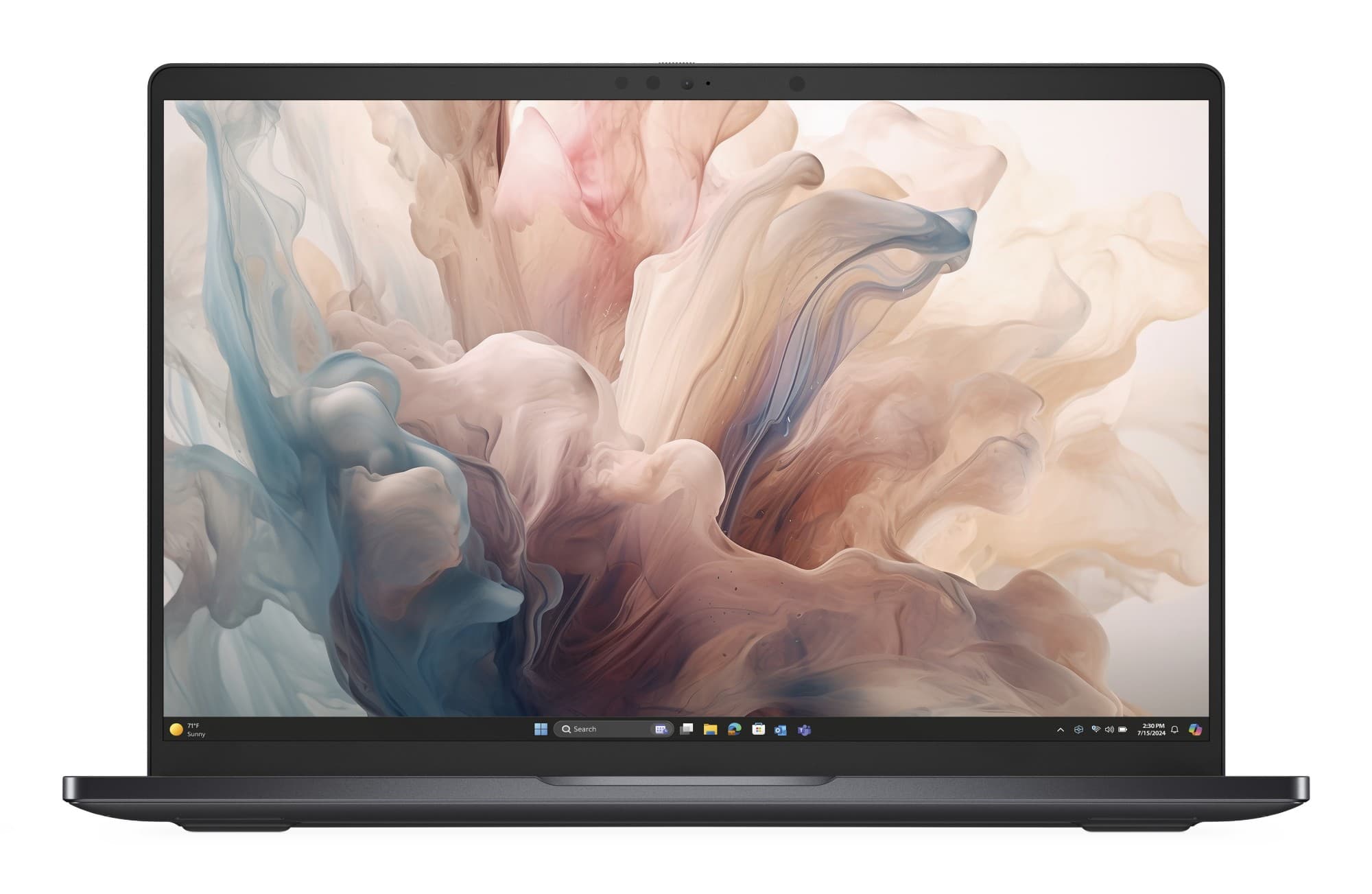
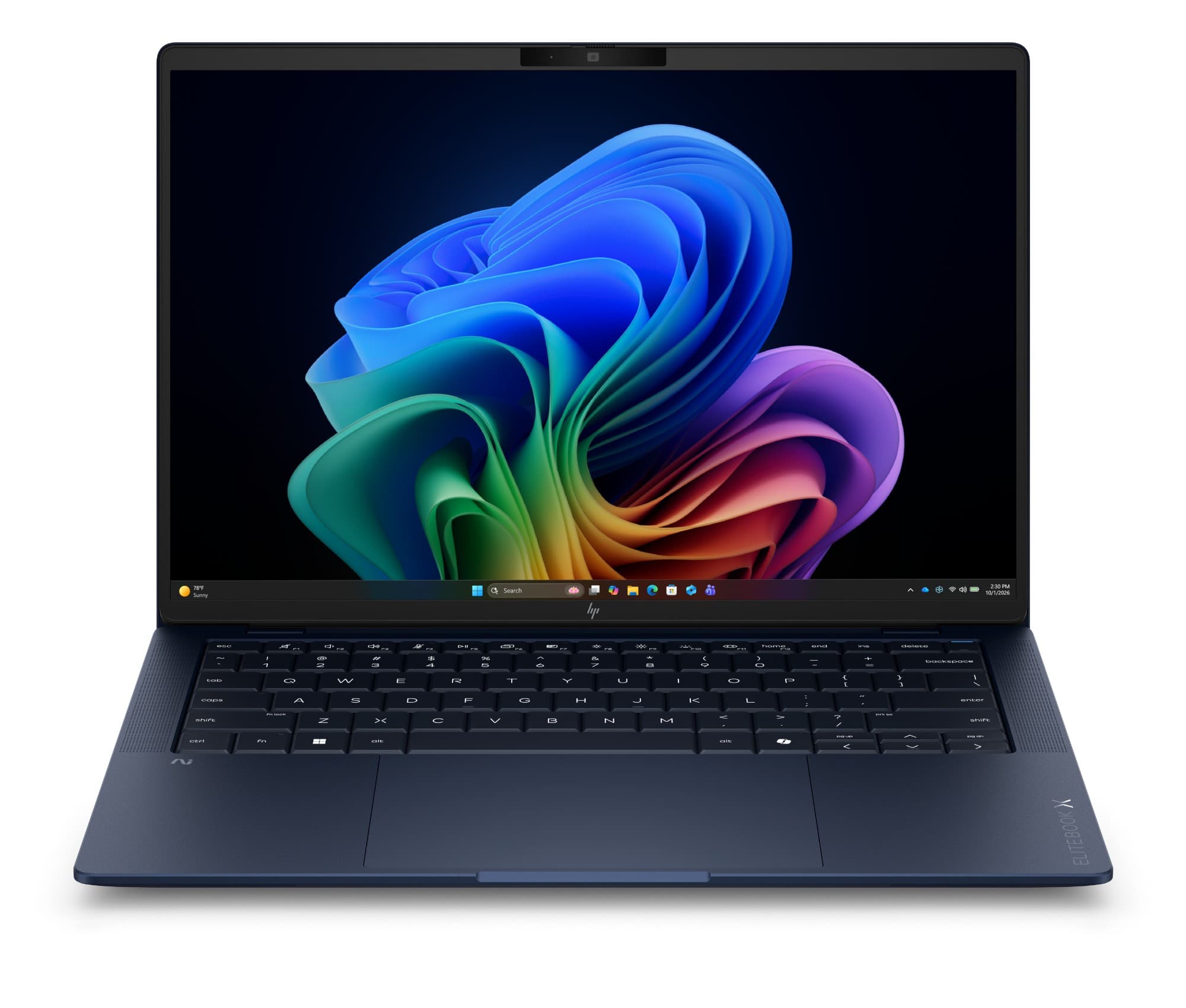
ThinkPad X1 Carbon Gen 14 vs Dell Pro 14 vs EliteBook X G2: performance overview
Scores based on quantifiable specification values (1-10 scale)
Detailed Specifications
| Specification | lenovo-thinkpad-x1-carbon-gen-14 | Dell Pro 14 Premium Dell | HP EliteBook X G2 14 inch AI (G2i / G2a / G2q) HP |
|---|---|---|---|
| Performance | |||
| Processor | Intel Core Ultra Series 3: Core Ultra 5 325 · Core Ultra 5 335 · Core Ultra 7 355 · Core Ultra 7 356H · Core Ultra 7 365 · Core Ultra 7 366H · Core Ultra X7 358H · Core Ultra X7 368H | Copilot+ Intel Core Ultra 200V "Lunar Lake", 8C/8T, 17.5 W, vPro Enterprise — Ultra 5 236V / 238V (4.7 GHz, 8 MB) or Ultra 7 266V / 268V (5 GHz, 12 MB) | Intel Core Ultra X7 358H / Ultra 5 335 / Ultra 5 325; AMD Ryzen AI 9 HX PRO 470 / 7 PRO 450 / 5 PRO / Ryzen AI 5 435; or Qualcomm Snapdragon X2 Elite (X2E-90-100 / X2E-84-100) or X2 Plus (X2P-42-100) |
| CPU cores | Core Ultra 5 325; Core Ultra 5 335; Core Ultra 7 355; Core Ultra 7 356H; Core Ultra 7 365; Core Ultra 7 366H; Core Ultra X7 358H; Core Ultra X7 368H | 8C/8T (Copilot+ Lunar Lake, 17.5 W) | -- |
| Graphics | Intel Arc B390 GPU | Intel Arc 130V (Ultra 5) / Arc 140V (Ultra 7), integrated | Integrated: Intel Arc B390 (Intel), AMD Radeon (AMD) or Qualcomm Adreno (Snapdragon) |
| Discrete GPU | Integrated only | Integrated Intel Arc graphics | Integrated only (Intel Arc B390 / AMD Radeon / Qualcomm Adreno) |
| Memory & storage | |||
| Maximum memory | LPDDR5X-9600, up to 64 GB soldered | 16 or 32 GB LPDDR5x-8533 on-package — fixed at order, not upgradeable; platform maximum 32 GB | Up to 64GB LPDDR5X onboard/soldered, dual channel (16 / 24 / 32 / 64GB); up to 9600 MT/s on Intel and Snapdragon, AMD 64GB runs at 8000 MT/s; non-upgradeable |
| Memory type | LPDDR5X-9600 | LPDDR5x-8533 on-package (fixed at order) | LPDDR5X onboard/soldered, dual channel; up to 9600 MT/s (Intel/Snapdragon), AMD 64GB at 8000 MT/s |
| Maximum storage | PCIe Gen5 NVMe, up to 2 TB, 1 slot(s) | 512 GB M.2 2230 PCIe Gen4 x4 NVMe TLC on all six; platform options 256 GB–2 TB including 512 GB SED Opal 2.0 | Up to 2TB PCIe Gen5 NVMe M.2 2280 SSD; OPAL2 self-encrypting options |
| Display | |||
| Display size | 14″ | 14.0" | 14in (35.6cm) 16:10 |
| Resolution | 1920x1200 / 2880x1800 | 1920 × 1200 (QHD+ 2880 × 1800 Tandem OLED on VPJ93) | 2880×1800 |
| Brightness | 500 nits | 400 nits | ✓WUXGA LCD 400/500/800 nits; OLED Tandem 700 nits |
| Panel | IPS/OLED options, 16:10, 120 Hz, touch option | 14.0" 16:10 — FHD+ 1920 × 1200 anti-glare, 400 nits, 100% sRGB, 1200:1, ComfortView Plus (five stocked builds); QHD+ 2880 × 1800 Tandem OLED touch, 400 nits, 100% DCI-P3, Gorilla Glass Victus (VPJ93) | WUXGA 1920x1200 LCD (up to 800 nits) or 3K 2880x1800 OLED 120Hz VRR; optional touch, Tandem OLED, HP Sure View privacy |
| Touchscreen | -- | QHD+ 2880 × 1800 Tandem OLED touchscreen (VPJ93 build) | Optional touch |
| Connectivity | |||
| Thunderbolt / USB4 ports | ✓3× Thunderbolt 4 | 2× Thunderbolt 4 (USB-C, DisplayPort alt mode, Power Delivery) — either TB4 port charges the machine | 2x Thunderbolt 4 (40Gbps) on Intel & AMD models; 2x USB4 Type-C 40Gbps on Snapdragon models |
| Ports | 3× USB-C (Thunderbolt 4), 1× USB-A, HDMI 2.1, 3.5 mm combo | Left: Thunderbolt 4 (USB-C, DisplayPort alt mode, Power Delivery), HDMI 2.1, universal audio jack, battery LED. Right: Thunderbolt 4, USB-A 3.2 Gen 1 with PowerShare, wedge lock slot (nano-SIM tray on 5G builds only) | Intel & AMD: 2x Thunderbolt 4 (40Gbps USB-C, PD, DP 2.1) + 1x USB-C 10Gbps + 1x USB-A 5Gbps + HDMI 2.1 + combo audio. Snapdragon: 2x USB4 Type-C 40Gbps (DP, PD) + 1x USB-A 5Gbps + HDMI 2.1 + combo audio |
| Mobile broadband (4G/5G) option | WWAN option (4G/5G) | Optional 5G (Snapdragon X72, eSIM) to order — stocked builds are WLAN-only | Optional 5G Sub-6 WWAN |
| Physical | |||
| Weight (from) | ✓from 0.977 kg | From 1.14 kg (2.52 lb), configuration-dependent | From 0.999 kg |
| Dimensions | 312.5 × 215.75 × 17.6 mm | 311.2 × 216.7 mm, 16.4 mm (front) – 17.0 mm (rear) | 312.7 x 217 x up to ~17mm (Intel) |
| Security & management | |||
| Intel vPro | Intel vPro option | Copilot+ Intel Core Ultra 200V vPro Enterprise — vPro Enterprise on every stocked build | Intel vPro on eligible Intel configs; AMD models use AMD Ryzen PRO manageability |
| Copilot+ PC (40+ TOPS NPU) | 50 TOPS NPU — Copilot+ class | Intel AI Boost — up to 40 TOPS (Ultra 5) or 48 TOPS (Ultra 7); Copilot+ PC on all stocked builds | Copilot+ PC across the range — NPU up to 85 TOPS (Snapdragon X2 Elite); 50 TOPS on Intel Core Ultra X7 358H |
| Battery | |||
| Battery capacity | 58 Wh; fast charge | 3-cell 60 Wh or 2-cell 40 Wh, customer-replaceable | ✓56Wh (3-cell) or 68Wh (6-cell) Li-Polymer; USB-C Power Delivery fast charge |
| Rated battery life | up to 19.2 hr MobileMark® 30 | ExpressCharge Boost 0–35% in 20 min, ExpressCharge 0–80% in 60 min; charges via either TB4 port; 60/65/100 W USB-C adapters | -- |
| Support | |||
| Operating system | Windows 11 Pro / Windows 11 Home / Fedora Linux / Ubuntu Linux / Linux / No preload operating system | Windows 11 Pro (stocked); Windows 11 23H2/24H2, Windows 10 22H2 downgrade and Ubuntu 24.04 LTS supported | Windows 11 Pro (Windows 11 Home / FreeDOS options); Snapdragon models run Windows 11 on Arm |
| Base warranty | 1-year courier or carry-in service | Dell business warranty — cover level varies by configuration; ProSupport uplifts quoted | Standard 1-year (1/1/0) limited warranty, upgrades available |
Expert Analysis
The HP EliteBook X G2 stands out as the most versatile enterprise ultraportable, narrowly outperforming the lightweight Lenovo ThinkPad X1 Carbon Gen 14 while leaving the Dell Pro Premium 14 behind in display brightness and memory headroom. Lenovo leads on pure portability with a class-leading starting weight of 0.977 kg and unmatched connectivity featuring three dedicated Thunderbolt 4 ports. It also supports up to 64 GB of LPDDR5X-9600 memory alongside a 50 TOPS NPU, though its display peaks at 500 nits and its battery is modest at 58 Wh. Conversely, the HP EliteBook X G2 claims objective wins in panel brightness with options up to 800 nits and battery capacity with a 68 Wh option. It also presents unmatched architectural flexibility across Intel Core Ultra, AMD Ryzen AI, and Qualcomm Snapdragon X2 processors, backing up to 64 GB of memory and NPU performance up to 85 TOPS. The Dell Pro Premium 14 provides dependable standardised deployments with vPro Enterprise on all stocked builds and a customer-replaceable 60 Wh battery, but remains constrained by a 32 GB memory limit, a 400-nit maximum display, and a heavier 1.14 kg chassis. Ultimately, procurement teams seeking ultimate lightness should choose Lenovo, while HP provides the broader operational capability.
Ready to proceed?
Not sure which one fits your environment?
Our UK specialists will recommend the right option for your workload and send itemised pricing — vendor-neutral, no obligation.
Response within 4 business hours · 20+ yr UK reseller
Want to compare different products or add more to this comparison?
Open Interactive Comparison Tool →Made your choice? Spread the cost.
Whichever you choose, you don't have to pay for it all upfront — finance your new hardware from £47/mo ex VAT on hire purchase or lease. Compare monthly payments and terms in seconds.
See finance from £47/mo →Indicative estimate · subject to change · no credit check at this stage · hire purchase, lease & subscription for UK businesses
Indicative illustration only. Servnet Limited is not authorised or regulated by the FCA and does not provide financial advice or arrange finance. All finance opportunities are referred to Number Eight Business Finance. Finance policy
Filter by role, spec and budget across the full range, then send the build for a fleet quotation.
Related comparisons
Other head-to-heads featuring these models — useful if you’re still shortlisting.
Talk to a UK specialist
Get expert advice or a no-obligation quote — servers, storage, networking, maintenance, finance and cloud. We reply the same working day.